Popular on s4story
- Phinge Exposes Massive AI Security Risks, Claiming Its Patented Hardware-Verified Architecture Is The Only Safeguard Against Surveillance Capitalism - 130
- Ritz-Carlton Residences Houston Generates Strong Early New Construction Sales at 2120 Post Oak Blvd - 128
- New Memoir Takes Readers Along on a Post-Retirement Travel Journey - 126
- Local Independent Author Releases Southern Gothic Novel Where The Land Remembers - 107
- James D. White Sr. Inspires Healing in New Book, What's Going On Behind the Mask?
- PricZone Launches Online Shopping Platform Offering Electronics, Gaming, and More
- Ignazio Arces Wins Stevie® Award for Maverick of the Year at the 2026 International Business Awards
- Intuitive Numerologist, Yvonne Sullivan, Publishes the Ultimate Guide to the NOC Divination System
- Michael M. Thomas Expands Executive Leadership Across Central India Outreach and Royal Trinity School
- CM James Opens The Black Book 09.04 & The LiteraVerse Expansion
Similar on s4story
- Vegan Kingz Unveils Upgraded Digital Platform to Streamline Commercial Foodservice & Wholesale Ordering
- Steve Thompson Launches StickyHealth to Tackle the Retention Gap in the Growing GLP 1 Market
- Qscription Technologies Appoints Dr. Kimberly Beavers as Founding Clinical Advisor
- Sebastian Stroeller Publishes "The MAP Language Canon" — The Complete Practitioner's Guide to Structural Conversation
- Sensory Education launches new neuro-affirming psychoeducation book, Sensory Diversity
- Calling all healthcare process experts: Share your ideas at #HSPI2027 in Orlando
- DuoKey launches the World's First Agentic Crypto Agility Platform
- Bspin Launches Lightning-Fast Crypto Gaming Expansion With Sportsbook, Poker, VIP Rewards, and Bitcoin Lightning Network Integration
- When the Coroner's Report Isn't Enough: Colorado Families Turn to Private Autopsy for Closure
- New Analysis Details Three Converging Forces in AI and Workforce Policy Behind a $37 Billion GDP Reduction
1-in-2 Women With Back Pain Report Mental Health Impacts As Cost Of Living Prevents Them Seeking Treatment
S For Story/10695118
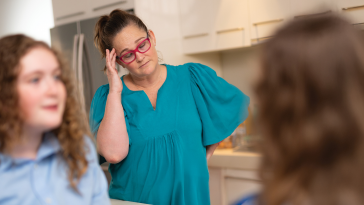
SYDNEY - s4story -- TODAY, the Australian Chiropractors Association (ACA) released new national survey data revealing that 86.7% of Australian women suffered back pain in the past 12 months.
Of those women afflicted 57.5% experienced mental fatigue, 54.8% reported it added to their mental load, and 47.6% experienced a moderate-to-extreme mental health impact as a result of back pain.
The survey also highlighted spinal health issues in the context of family households revealing that back pain extends well beyond individual sufferers affecting 9.7 million Australian households (89.7%) with respondents reporting that in 5.4% of households a child under 18 is also living with back pain.
The new data obtained from the 2026 Spinal Health Survey, an independent national survey by Pureprofile (May 2026) of 1,040 Australian adults (528 Women and 512 Males), revealed that although the prevalence is slightly lower than men (87.5%), women experience significantly higher psychological consequences due to back pain with 47.6% of women with back pain in the last year reporting moderate-to-extreme mental health impact, compared to 44.2% of men.
ACA Women In Chiropractic Chair Dr Ali Young said, "Although it's well documented that back pain and mental health conditions are linked and can cause an impaired quality of life, the survey data is unambiguous with women suffering from back pain reporting higher rates of mental exhaustion, sleep disruption, depression and mental load compared to men; and were less likely to have sought diagnosis or professional treatment.
"With 53.7% of women suffering back pain reporting they've never sought a formal medical diagnosis, saying the barriers partly financial; 49.7% of women said the cost of living has prevented them from seeking treatment which was 10.9 percentage points (a relative increase of 28.1%) higher than men (38.8%).
"The survey results should prompt a serious national conversation about how women can improve their spinal health because back pain is not just a musculoskeletal problem; it incorporates mental health, equity and quality-of-life issues that deserve far greater attention," she said.
The mental health burden of back pain in Australia shows the gender gap in mental health impact to be widest in the 25–30 age group, with 63.5% of women aged 25–30 having back pain reporting moderate-to-extreme mental health impact compared to 44.7% of men in the same bracket - an 18.8 percentage point difference and the largest gender gap of any age group in the survey.
More on S For Story
The survey also revealed that women are significantly more likely to suffer chronic pain than men with 46.5% of women with back pain reporting having chronic pain compared with 41.6% of men, while among women aged 41–50, the chronic pain rate reaches 46.8% - 13.1 percentage points above men in the same bracket.
"With numerous studies finding people living with chronic back pain are at heightened risk of experiencing mental health problems including a study by the International Association for the Study of Pain (2021), the significantly high number of women reporting chronic back pain is concerning," said Dr Young.
"Women are managing back pain alongside the mental, physical and financial demands of family life with the data showing the combined load is substantial," said Dr Young.
Women reported that they were more likely than men to cite caregiving and household responsibilities as contributing to their back pain with 16.4% of women nominating housework as a trigger (vs 9.5% of men), and 7.6% cited caring for a child, elderly person or person with disability.
Pregnancy is also reported as a contributing factor by 6.9% of women with back pain, with the physical demands of pregnancy followed by the sustained physical demands of early parenthood that represents a significant risk window for the development or worsening of spinal conditions.
In women, depression or anxiety from back pain peaked in the 51–60 age group at 17.1% - a critical age that coincides with peak income-earning, caring responsibilities and hormonal changes.
"It's recognised by healthcare professionals that chronic back pain can lead to psychological and social problems when depressive symptoms worsen back pain and increase the disability associated with it, which in turn can exacerbate back pain's negative impact on the mental health of sufferers," she said.
"The vicious cycle of back pain triggering a mental health problem can lead to the original back pain problem worsening and continue to accelerate unabated in the absence of interventions to break the pain cycle, while the costs of musculoskeletal disorders (MSDs), including back pain, to the Australian economy continue to rise substantially," Dr Young said.
More on S For Story
PainAustralia reports the annual cost to the Australian economy for chronic pain is $73.2 billion, and Musculoskeletal Australia reporting MSDs costing $55.1 billion, including direct health costs, lost productivity and reduced quality of life.
With 6.1 million Australians already affected by MSDs, according to a Deloitte Access Economics (2019) report the rising cost of MSDs in Australia presents a strong case for a proactive, strategic response to MSD management (including back pain).
Research by Monash University's School of Public Health and Preventive Medicine (August 2025) has projected chronic back pain will cost the Australian economy $638 billion in lost productivity over the next decade, and that if we fail to tackle common back pain through promoting advice to stay active and receive appropriate care, by 2033, 3.2 million working-age Australians will be living with chronic back pain, leading to a loss of approximately 4.6 per cent to Australia's Gross Domestic Product (GDP) over a 10-year period.
"With back pain posing a major public health burden impacting millions of women across Australia and long-term chronic back disorders projected to cost the Australian economy an estimated $638 billion in lost productivity over the next decade; greater awareness of the back pain burden women carry, early intervention and improved affordability would make a meaningful difference to the health and wellbeing of Australian women and their families," Dr Young said.
During Week 3 of National Spinal Health Month (15–21 June), the ACA is encouraging women and families to prioritise their spinal health and seek evidence-based, drug-free healthcare to help prevent developing a chronic condition and minimise the impact back pain has on their mental health.
Women are encouraged to access free spinal health resources, practical guides and information for families and schools at www.spinalhealth.org.au to improve their spinal health and overall wellbeing.
ENDS
INTERVIEW REQUESTS: Email: ACA@insightcommunications.net.au
ACCESS IMAGES, VIDEO & DATA: MEDIA-CENTRE https://bit.ly/SHM26-Media
https://youtu.be/F-ORfQijE2A?si=8IVOk-ESQLvHmUAK
https://youtu.be/uUs6yxDclvY?si=o_gT7znWXgsU80ut
Of those women afflicted 57.5% experienced mental fatigue, 54.8% reported it added to their mental load, and 47.6% experienced a moderate-to-extreme mental health impact as a result of back pain.
The survey also highlighted spinal health issues in the context of family households revealing that back pain extends well beyond individual sufferers affecting 9.7 million Australian households (89.7%) with respondents reporting that in 5.4% of households a child under 18 is also living with back pain.
The new data obtained from the 2026 Spinal Health Survey, an independent national survey by Pureprofile (May 2026) of 1,040 Australian adults (528 Women and 512 Males), revealed that although the prevalence is slightly lower than men (87.5%), women experience significantly higher psychological consequences due to back pain with 47.6% of women with back pain in the last year reporting moderate-to-extreme mental health impact, compared to 44.2% of men.
ACA Women In Chiropractic Chair Dr Ali Young said, "Although it's well documented that back pain and mental health conditions are linked and can cause an impaired quality of life, the survey data is unambiguous with women suffering from back pain reporting higher rates of mental exhaustion, sleep disruption, depression and mental load compared to men; and were less likely to have sought diagnosis or professional treatment.
"With 53.7% of women suffering back pain reporting they've never sought a formal medical diagnosis, saying the barriers partly financial; 49.7% of women said the cost of living has prevented them from seeking treatment which was 10.9 percentage points (a relative increase of 28.1%) higher than men (38.8%).
"The survey results should prompt a serious national conversation about how women can improve their spinal health because back pain is not just a musculoskeletal problem; it incorporates mental health, equity and quality-of-life issues that deserve far greater attention," she said.
The mental health burden of back pain in Australia shows the gender gap in mental health impact to be widest in the 25–30 age group, with 63.5% of women aged 25–30 having back pain reporting moderate-to-extreme mental health impact compared to 44.7% of men in the same bracket - an 18.8 percentage point difference and the largest gender gap of any age group in the survey.
More on S For Story
- When Hope Feels Gone, Death2life Is Still Here!
- Indies United is pleased to present our September 2026 book releases
- Sebastian Stroeller Publishes "The MAP Language Canon" — The Complete Practitioner's Guide to Structural Conversation
- OneVizion Appoints Zebra Technologies CIO Matt Ausman to Board of Directors
- GLADYS Magazine Celebrates their 18 Year Anniversary!
The survey also revealed that women are significantly more likely to suffer chronic pain than men with 46.5% of women with back pain reporting having chronic pain compared with 41.6% of men, while among women aged 41–50, the chronic pain rate reaches 46.8% - 13.1 percentage points above men in the same bracket.
"With numerous studies finding people living with chronic back pain are at heightened risk of experiencing mental health problems including a study by the International Association for the Study of Pain (2021), the significantly high number of women reporting chronic back pain is concerning," said Dr Young.
"Women are managing back pain alongside the mental, physical and financial demands of family life with the data showing the combined load is substantial," said Dr Young.
Women reported that they were more likely than men to cite caregiving and household responsibilities as contributing to their back pain with 16.4% of women nominating housework as a trigger (vs 9.5% of men), and 7.6% cited caring for a child, elderly person or person with disability.
Pregnancy is also reported as a contributing factor by 6.9% of women with back pain, with the physical demands of pregnancy followed by the sustained physical demands of early parenthood that represents a significant risk window for the development or worsening of spinal conditions.
In women, depression or anxiety from back pain peaked in the 51–60 age group at 17.1% - a critical age that coincides with peak income-earning, caring responsibilities and hormonal changes.
"It's recognised by healthcare professionals that chronic back pain can lead to psychological and social problems when depressive symptoms worsen back pain and increase the disability associated with it, which in turn can exacerbate back pain's negative impact on the mental health of sufferers," she said.
"The vicious cycle of back pain triggering a mental health problem can lead to the original back pain problem worsening and continue to accelerate unabated in the absence of interventions to break the pain cycle, while the costs of musculoskeletal disorders (MSDs), including back pain, to the Australian economy continue to rise substantially," Dr Young said.
More on S For Story
- New Townhome Building Released at Heritage at South Brunswick, Offering Private Perimeter Setting and Water Views
- Comics Veteran on Return of Teenage Mutant Ninja Turtles Characters, 3-D Projects, Collaboration with Original 'Star Wars' Toy Engineer
- Flexible Plan Investments Announces Retirement of Executive Vice President Renée Toth
- Sensory Education launches new neuro-affirming psychoeducation book, Sensory Diversity
- Break the Resume Mold: Career Valet Changes How Executives Hunt for Jobs
PainAustralia reports the annual cost to the Australian economy for chronic pain is $73.2 billion, and Musculoskeletal Australia reporting MSDs costing $55.1 billion, including direct health costs, lost productivity and reduced quality of life.
With 6.1 million Australians already affected by MSDs, according to a Deloitte Access Economics (2019) report the rising cost of MSDs in Australia presents a strong case for a proactive, strategic response to MSD management (including back pain).
Research by Monash University's School of Public Health and Preventive Medicine (August 2025) has projected chronic back pain will cost the Australian economy $638 billion in lost productivity over the next decade, and that if we fail to tackle common back pain through promoting advice to stay active and receive appropriate care, by 2033, 3.2 million working-age Australians will be living with chronic back pain, leading to a loss of approximately 4.6 per cent to Australia's Gross Domestic Product (GDP) over a 10-year period.
"With back pain posing a major public health burden impacting millions of women across Australia and long-term chronic back disorders projected to cost the Australian economy an estimated $638 billion in lost productivity over the next decade; greater awareness of the back pain burden women carry, early intervention and improved affordability would make a meaningful difference to the health and wellbeing of Australian women and their families," Dr Young said.
During Week 3 of National Spinal Health Month (15–21 June), the ACA is encouraging women and families to prioritise their spinal health and seek evidence-based, drug-free healthcare to help prevent developing a chronic condition and minimise the impact back pain has on their mental health.
Women are encouraged to access free spinal health resources, practical guides and information for families and schools at www.spinalhealth.org.au to improve their spinal health and overall wellbeing.
ENDS
INTERVIEW REQUESTS: Email: ACA@insightcommunications.net.au
ACCESS IMAGES, VIDEO & DATA: MEDIA-CENTRE https://bit.ly/SHM26-Media
https://youtu.be/F-ORfQijE2A?si=8IVOk-ESQLvHmUAK
https://youtu.be/uUs6yxDclvY?si=o_gT7znWXgsU80ut
Source: Australian Chiropractors Association
0 Comments
Latest on S For Story
- GenZ life And Love Before Social Media
- 3ptechies Partners with Coolmuster to Give Away Data Recovery Software Licenses
- INAD Warriors' 4th Annual "Dancing with the INAD Stars" Gala
- The Beauty Briefing Names Gina Bordeaux Editor in Chief
- Wilber Chitambo Explores Faith, Healing, and Hope in "From Pain to Purpose: A Healing Journey"
- DAZN Review 2026: Streaming Price Worth It?
- HERAA.ai Launches First Platform to Transform Books into AI-Powered Subscription Platforms
- Dr. Pen Official Introduces Advanced Microneedling Technology for Precision Skincare at Home
- October 2026 Issue of Impact & Influence Magazine is Here. See What's Inside!
- Bspin Launches Lightning-Fast Crypto Gaming Expansion With Sportsbook, Poker, VIP Rewards, and Bitcoin Lightning Network Integration
- Veteran Strategist Launches First-Ever Living Book With AI Thinking Partner
- New from Regal House, The King's Ghost, Imhotep and his cousin Anitepsut caught in a web of deceit
- From Temecula Wine Country to Canyon Lake: Parkway Construction Transforms Outdoor Spaces for Inland Homeowners
- Hope Haven Publishing Announces "Caring for Mom and Dad," a Christian Caregiver's Planner
- Wilber Chitambo's From Pain to Purpose: A Healing Journey Offers a Powerful Testament to Healing
- Memoir Explores Firefighter Hero's Legacy, Caregiver Survival, and the Unvarnished Truth of Grief
- New Book Revisits Berny Dohrmann, CEO Space and the People Who Powered The Space
- Keith B. Perrin Invites Readers to Discover Faith Through The Little Book of True Testimonies
- Author Steve Ulrich Launches Synergence.net Following the Release of The Long View
- Gigasoft 2026 JavaScript Chart Comparison: ProEssentials, Highcharts, SciChart, LightningChart, ECharts