Popular on s4story
- Phinge Exposes Massive AI Security Risks, Claiming Its Patented Hardware-Verified Architecture Is The Only Safeguard Against Surveillance Capitalism - 130
- Ritz-Carlton Residences Houston Generates Strong Early New Construction Sales at 2120 Post Oak Blvd - 128
- New Memoir Takes Readers Along on a Post-Retirement Travel Journey - 126
- Local Independent Author Releases Southern Gothic Novel Where The Land Remembers - 107
- James D. White Sr. Inspires Healing in New Book, What's Going On Behind the Mask?
- PricZone Launches Online Shopping Platform Offering Electronics, Gaming, and More
- Ignazio Arces Wins Stevie® Award for Maverick of the Year at the 2026 International Business Awards
- Intuitive Numerologist, Yvonne Sullivan, Publishes the Ultimate Guide to the NOC Divination System
- Michael M. Thomas Expands Executive Leadership Across Central India Outreach and Royal Trinity School
- CM James Opens The Black Book 09.04 & The LiteraVerse Expansion
Similar on s4story
- RAS AP Consulting Signals Growth of Managed AP Governance With Digital Expansion, Pipeline Activation, and Trademark Filing Ahead of Esker All Access
- Vegan Kingz Unveils Upgraded Digital Platform to Streamline Commercial Foodservice & Wholesale Ordering
- Steve Thompson Launches StickyHealth to Tackle the Retention Gap in the Growing GLP 1 Market
- Qscription Technologies Appoints Dr. Kimberly Beavers as Founding Clinical Advisor
- Sebastian Stroeller Publishes "The MAP Language Canon" — The Complete Practitioner's Guide to Structural Conversation
- Sensory Education launches new neuro-affirming psychoeducation book, Sensory Diversity
- Break the Resume Mold: Career Valet Changes How Executives Hunt for Jobs
- Calling all healthcare process experts: Share your ideas at #HSPI2027 in Orlando
- DuoKey launches the World's First Agentic Crypto Agility Platform
- Sales Blueprint Architect Launches, Helping Sales Professionals, Business Owners, and Consultants Close More Business With AI
Australian Men's Back Pain and the Workplace: A Silent Burden Driving a Growing Mental Health & Productivity Crisis
S For Story/10694600
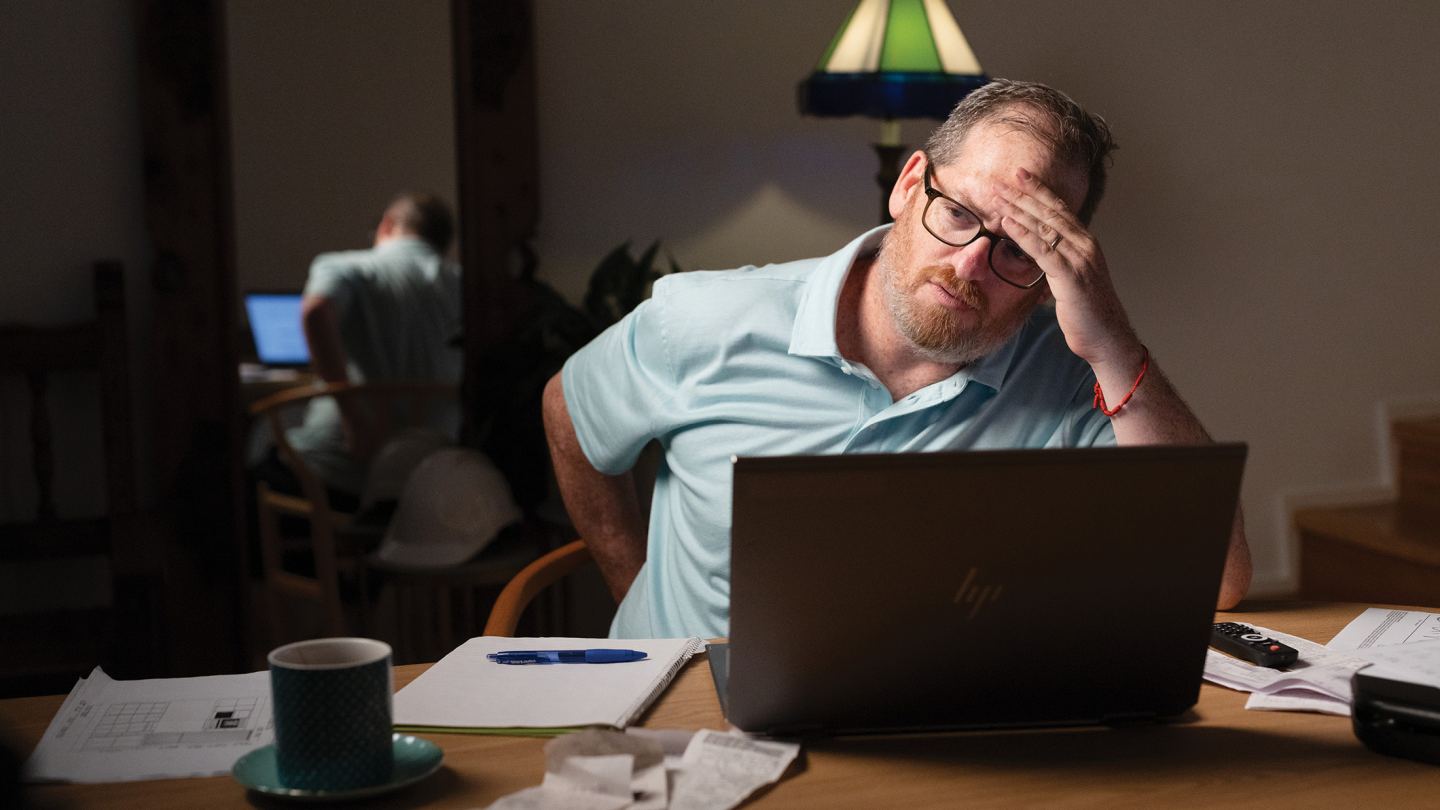
SYDNEY - s4story -- Today, in the lead-up to National Men's Health Week (15-21 June), the Australian Chiropractors Association (ACA) revealed that a significantly high number of Australian men are experiencing severe back pain that's going unrecognised, with working-age men carrying an escalating mental health toll as a result.
New data obtained from the 2026 Spinal Health Survey, an independent national survey of 1,040 Australian adults by Pureprofile in May 2026, revealed 87.5% of Australian men reported suffering back pain in the last 12 months, with the impact on their mental health peaking sharply during their working decades.
Dr Billy Chow, ACA President said, "The survey revealed that 57.0% of men aged 31–40 reported moderate-to-extreme mental health impact from back pain - the highest mental health burden of any male age group and higher than women in the same age group (54.8%).
"With the coexistence of back pain and mental health conditions associated with impaired quality of life, the rising high level of back pain burden carried by Australian men can increase the risk of developing chronic back pain conditions impacting men's mental health while increasing the financial burden on sufferers and the economy," said Dr Chow.
"Of concern, is that despite the large number of men experiencing back pain, the survey showed that men are less likely to seek professional care; are more likely to self-manage with over-the-counter (OTC) medications; and are significantly less likely to discuss the mental health consequences," he said.
The link between back pain and depression is well documented in research studies including a study by the International Association for the Study of Pain (2021) that found people living with chronic back pain are at heightened risk of experiencing mental health problems.
"47.8% of men reported suffering back pain although they'd never sought a formal medical diagnosis, with men's GP consultation rates falling -21.9% between 2024 and 2026 (three times the rate of decline among women (-7.5%)) increasing the risks to men's ongoing physical and mental health," he said.
More on S For Story
"When chronic back pain leads to psychological and social problems, depressive symptoms can worsen back pain and increase the disability associated with the condition; which in turn can exacerbate back pain's negative impact on the mental health of sufferers," he said.
"This vicious cycle, where back pain triggers a mental health problem that leads to the original back problem worsening can continue accelerating unabated in the absence of interventions to break the pain cycle, while the costs of musculoskeletal disorders (MSDs), including back pain, to the Australian economy continues increasing," Dr Chow said.
6.1 million Australians are already affected by MSDs, of which 58% are of working age in their peak income-earning years (25-64 years) with the annual cost to the Australian economy $55.1 billion including direct health costs, lost productivity and reduced quality of life (Deloitte).
According to a Deloitte Access Economics report, the rising cost of MSDs in Australia presents a strong case for a proactive, strategic response to MSD management (including back pain), with the findings of the 2026 Spinal Health Survey supporting Deloitte's results.
The survey found that the impact of back pain on working Australians was significant, with 92.9% of employed Australians having experienced back pain and one in five (21.7%) reporting impaired workplace productivity as a result.
Among peak working-age (25–60yrs) Australians who reported low back pain, 28.5% said in the past 12 months they required time off work or were no longer able to work due to their back pain.
Physical workers who lift carry the highest clinical burden with 49.4% reporting chronic pain and 55.5% having a moderate-to-extreme mental health impact as a result - the highest of any workplace activity type.
Construction and trades recorded the highest burden by industry. With hands-on trades having the highest concentration of male workers (98-99%), and 88% of construction workers being men, 60.0% of back pain sufferers working in these sectors reported having chronic back pain and 64.0% reported moderate-to-extreme mental health impact.
More on S For Story
44.0% of all male back pain sufferers experienced chronic back pain (pain persisting for 12 weeks or more). Unsurprisingly, workers who 'stand' recorded the highest chronic pain rate at 55.4% - 11.1 percentage points (pp) more than average. Shift workers also showed 5.7pp more chronic pain than day workers and 3.7pp greater mental health impact than day workers.
However, with 75% of employed Australians suffering back pain performing computer or desk work, the most commonly reported work-related triggers for back pain were desk work (26.4%), computer use (22.7%), poor ergonomics (12.3%) and workplace injury (7.9%). Employed respondents reported 44.8% chronic pain rate with 44.6% experiencing moderate-to-extreme mental health impact.
Research by Monash University's School of Public Health and Preventive Medicine (August 2025) has projected that if we fail to tackle common back pain through promoting advice to stay active and receive appropriate care, by 2033, 3.2 million working-age Australians will be living with chronic back pain, leading to a loss of approximately 4.6 per cent to Australia's gross Domestic Product over a 10-year period.
With back pain posing a major public health burden affecting millions of sufferers across Australia, long-term chronic back disorders are projected to cost the Australian economy an estimated $638 billion in lost productivity over the next decade.
The ACA member survey of 110 chiropractors reinforces these findings. 47% of chiropractors have back pain patients on workers' compensation leave with financial constraints cited as the single biggest clinical challenge by 50% of practitioners.
"Preventing back pain should be treated as a workplace health and safety priority by every industry including those that fall into the low-risk industries to minimise the consequences of untreated back pain on workers' physical and mental health while minimising workers' compensation claims, sick leave and reduced workforce participation and productivity," said Dr Chow.
During Week 2 of National Spinal Health Month (8–14 June), the ACA is encouraging workplaces, employers and working-age Australians to assess their spinal health habits, understand the triggers and access a range of free resources at www.spinalhealth.org.au to improve the spinal health and overall wellbeing of the Australian workforce.
INTERVIEW REQUESTS: ACA@insightcommunications.net.au
MEDIA CENTRE: https://bit.ly/SHM26-Media
https://youtu.be/seBMKnkbRd0?si=FWou0gUq3rmhCgs5
New data obtained from the 2026 Spinal Health Survey, an independent national survey of 1,040 Australian adults by Pureprofile in May 2026, revealed 87.5% of Australian men reported suffering back pain in the last 12 months, with the impact on their mental health peaking sharply during their working decades.
Dr Billy Chow, ACA President said, "The survey revealed that 57.0% of men aged 31–40 reported moderate-to-extreme mental health impact from back pain - the highest mental health burden of any male age group and higher than women in the same age group (54.8%).
"With the coexistence of back pain and mental health conditions associated with impaired quality of life, the rising high level of back pain burden carried by Australian men can increase the risk of developing chronic back pain conditions impacting men's mental health while increasing the financial burden on sufferers and the economy," said Dr Chow.
"Of concern, is that despite the large number of men experiencing back pain, the survey showed that men are less likely to seek professional care; are more likely to self-manage with over-the-counter (OTC) medications; and are significantly less likely to discuss the mental health consequences," he said.
The link between back pain and depression is well documented in research studies including a study by the International Association for the Study of Pain (2021) that found people living with chronic back pain are at heightened risk of experiencing mental health problems.
"47.8% of men reported suffering back pain although they'd never sought a formal medical diagnosis, with men's GP consultation rates falling -21.9% between 2024 and 2026 (three times the rate of decline among women (-7.5%)) increasing the risks to men's ongoing physical and mental health," he said.
More on S For Story
- When Hope Feels Gone, Death2life Is Still Here!
- Indies United is pleased to present our September 2026 book releases
- Sebastian Stroeller Publishes "The MAP Language Canon" — The Complete Practitioner's Guide to Structural Conversation
- OneVizion Appoints Zebra Technologies CIO Matt Ausman to Board of Directors
- GLADYS Magazine Celebrates their 18 Year Anniversary!
"When chronic back pain leads to psychological and social problems, depressive symptoms can worsen back pain and increase the disability associated with the condition; which in turn can exacerbate back pain's negative impact on the mental health of sufferers," he said.
"This vicious cycle, where back pain triggers a mental health problem that leads to the original back problem worsening can continue accelerating unabated in the absence of interventions to break the pain cycle, while the costs of musculoskeletal disorders (MSDs), including back pain, to the Australian economy continues increasing," Dr Chow said.
6.1 million Australians are already affected by MSDs, of which 58% are of working age in their peak income-earning years (25-64 years) with the annual cost to the Australian economy $55.1 billion including direct health costs, lost productivity and reduced quality of life (Deloitte).
According to a Deloitte Access Economics report, the rising cost of MSDs in Australia presents a strong case for a proactive, strategic response to MSD management (including back pain), with the findings of the 2026 Spinal Health Survey supporting Deloitte's results.
The survey found that the impact of back pain on working Australians was significant, with 92.9% of employed Australians having experienced back pain and one in five (21.7%) reporting impaired workplace productivity as a result.
Among peak working-age (25–60yrs) Australians who reported low back pain, 28.5% said in the past 12 months they required time off work or were no longer able to work due to their back pain.
Physical workers who lift carry the highest clinical burden with 49.4% reporting chronic pain and 55.5% having a moderate-to-extreme mental health impact as a result - the highest of any workplace activity type.
Construction and trades recorded the highest burden by industry. With hands-on trades having the highest concentration of male workers (98-99%), and 88% of construction workers being men, 60.0% of back pain sufferers working in these sectors reported having chronic back pain and 64.0% reported moderate-to-extreme mental health impact.
More on S For Story
- New Townhome Building Released at Heritage at South Brunswick, Offering Private Perimeter Setting and Water Views
- Comics Veteran on Return of Teenage Mutant Ninja Turtles Characters, 3-D Projects, Collaboration with Original 'Star Wars' Toy Engineer
- Flexible Plan Investments Announces Retirement of Executive Vice President Renée Toth
- Sensory Education launches new neuro-affirming psychoeducation book, Sensory Diversity
- Break the Resume Mold: Career Valet Changes How Executives Hunt for Jobs
44.0% of all male back pain sufferers experienced chronic back pain (pain persisting for 12 weeks or more). Unsurprisingly, workers who 'stand' recorded the highest chronic pain rate at 55.4% - 11.1 percentage points (pp) more than average. Shift workers also showed 5.7pp more chronic pain than day workers and 3.7pp greater mental health impact than day workers.
However, with 75% of employed Australians suffering back pain performing computer or desk work, the most commonly reported work-related triggers for back pain were desk work (26.4%), computer use (22.7%), poor ergonomics (12.3%) and workplace injury (7.9%). Employed respondents reported 44.8% chronic pain rate with 44.6% experiencing moderate-to-extreme mental health impact.
Research by Monash University's School of Public Health and Preventive Medicine (August 2025) has projected that if we fail to tackle common back pain through promoting advice to stay active and receive appropriate care, by 2033, 3.2 million working-age Australians will be living with chronic back pain, leading to a loss of approximately 4.6 per cent to Australia's gross Domestic Product over a 10-year period.
With back pain posing a major public health burden affecting millions of sufferers across Australia, long-term chronic back disorders are projected to cost the Australian economy an estimated $638 billion in lost productivity over the next decade.
The ACA member survey of 110 chiropractors reinforces these findings. 47% of chiropractors have back pain patients on workers' compensation leave with financial constraints cited as the single biggest clinical challenge by 50% of practitioners.
"Preventing back pain should be treated as a workplace health and safety priority by every industry including those that fall into the low-risk industries to minimise the consequences of untreated back pain on workers' physical and mental health while minimising workers' compensation claims, sick leave and reduced workforce participation and productivity," said Dr Chow.
During Week 2 of National Spinal Health Month (8–14 June), the ACA is encouraging workplaces, employers and working-age Australians to assess their spinal health habits, understand the triggers and access a range of free resources at www.spinalhealth.org.au to improve the spinal health and overall wellbeing of the Australian workforce.
INTERVIEW REQUESTS: ACA@insightcommunications.net.au
MEDIA CENTRE: https://bit.ly/SHM26-Media
https://youtu.be/seBMKnkbRd0?si=FWou0gUq3rmhCgs5
Source: Australian Chiropractors Association
0 Comments
Latest on S For Story
- GenZ life And Love Before Social Media
- 3ptechies Partners with Coolmuster to Give Away Data Recovery Software Licenses
- INAD Warriors' 4th Annual "Dancing with the INAD Stars" Gala
- The Beauty Briefing Names Gina Bordeaux Editor in Chief
- Wilber Chitambo Explores Faith, Healing, and Hope in "From Pain to Purpose: A Healing Journey"
- DAZN Review 2026: Streaming Price Worth It?
- HERAA.ai Launches First Platform to Transform Books into AI-Powered Subscription Platforms
- Dr. Pen Official Introduces Advanced Microneedling Technology for Precision Skincare at Home
- October 2026 Issue of Impact & Influence Magazine is Here. See What's Inside!
- Bspin Launches Lightning-Fast Crypto Gaming Expansion With Sportsbook, Poker, VIP Rewards, and Bitcoin Lightning Network Integration
- Veteran Strategist Launches First-Ever Living Book With AI Thinking Partner
- New from Regal House, The King's Ghost, Imhotep and his cousin Anitepsut caught in a web of deceit
- From Temecula Wine Country to Canyon Lake: Parkway Construction Transforms Outdoor Spaces for Inland Homeowners
- Hope Haven Publishing Announces "Caring for Mom and Dad," a Christian Caregiver's Planner
- Wilber Chitambo's From Pain to Purpose: A Healing Journey Offers a Powerful Testament to Healing
- Memoir Explores Firefighter Hero's Legacy, Caregiver Survival, and the Unvarnished Truth of Grief
- New Book Revisits Berny Dohrmann, CEO Space and the People Who Powered The Space
- Keith B. Perrin Invites Readers to Discover Faith Through The Little Book of True Testimonies
- Author Steve Ulrich Launches Synergence.net Following the Release of The Long View
- Gigasoft 2026 JavaScript Chart Comparison: ProEssentials, Highcharts, SciChart, LightningChart, ECharts