Popular on s4story
- USA Best Book Awards Finalist What Love Leaves Behind Releases March 24 - 446
- Oberfeld Press Author Releases Typographic Series Ahead of July Publication - 227
- The World's First Fully Regenerative Economy: Securing Energy, Food, and a Clean Planet - 188
- New Book Synthesizes Six Peer-Reviewed Research Programs Into Unified Framework for Consciousness - 126
- QuickTrack by Datalex Transforms Retail Promoter Management with Claude AI and Real-Time Insights - 115
- High5VR Announces World's First Fully Immersive First-Person VR Movie - 112
- New YA Fantasy "The Whispering Key" by Auren Keyes Launches The Luminara Chronicles - 104
- Homeowner Prep Announces Strategic Language Shift: Replacing "Renters" with "Future Homeowners" to Inspire Wealth-Building Mindsets
- Silence and Resistance: Memoir of a Girlhood in Haiti, is Longlisted for the BOCAS Literary Award in Nonfiction
- New Report Reveals Surprising Trends in Ohio Airport Accidents
Similar on s4story
- Contracting Resources Group Named to the 2026 Inc. Regionals: Mid-Atlantic List
- Charging Into the $30 Billion Heart Failure Market with Late-Stage Momentum, Breakthrough Data, & Strong Financial Backing: Cardiol Therapeutics $CRDL
- Pacific Emblem Company Launches "Happy 250th Birthday America" Collection and Proud Supporter of the Gary Sinise Foundation
- YOKE Expands NIL Club Into Athlete-Led Commerce With Athlete Merch Launch
- Permian Museum Adds Photos of Fossils Discovered on a Meteorite
- Radarsign™ Awarded Sourcewell Contract Expanding Access to Traffic Safety Solutions
- Larry R. Wasion's Jump Gate 2: Teleporter Expands the Time Travel Universe with High-Stakes Action and Ethical Dilemmas
- Marcus Boyd Announces Upcoming Children's Book The Royal World of Autism and Expands His Global Advocacy for Autism Awareness
- Igniting High-Growth Transformation With Launch of XMax AI Subsidiary, Leveraging Global Furniture Dominance to Enter Explosive AI Markets: XMax Inc
- Acuvance Earns 2026 Great Place to Work® Certification
CCHR: While Damaging Antipsychotics Win Approval, Proven Non-Drug Alternatives Remain Ignored
S For Story/10686031
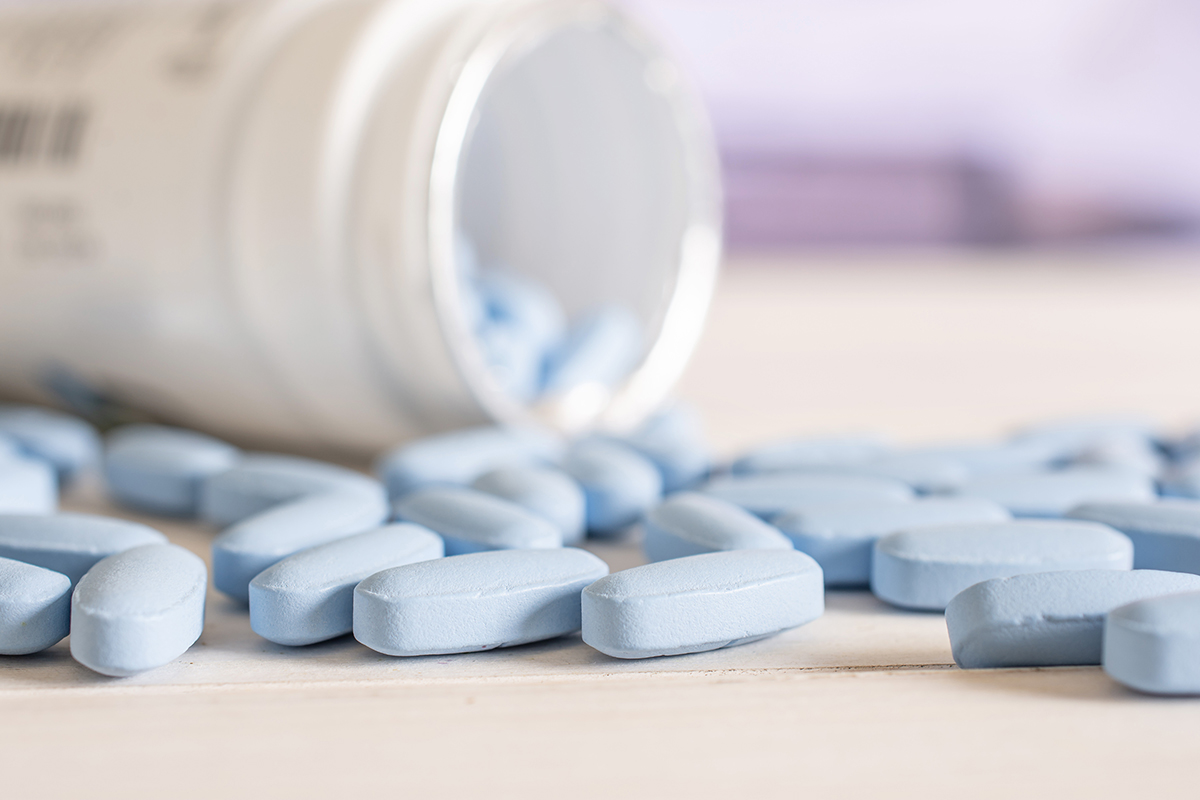
Mental health watchdog calls for urgent reform as millions face long-term drug harm despite evidence that safer, community-based models work
LOS ANGELES - s4story -- By CCHR International
Seventy-two years after the first antipsychotic, chlorpromazine, was approved, psychiatry is now seriously discussing the need to deprescribe these drugs. For millions already exposed, that realization comes far too late. Despite decades of mounting evidence of severe and sometimes irreversible harm, new drugs in the same class continue to receive federal approval. The Citizens Commission on Human Rights International (CCHR) says this represents a systemic failure that demands urgent reform.
Of the 76.9 million Americans taking psychiatric drugs in 2020, more than 11 million, including over 829,000 children and teens, were prescribed antipsychotics. These are associated with significant risks, including metabolic disorders, diabetes, cardiac complications, hormonal disruption, sexual dysfunction, agitation, aggression, suicidality, and neuroleptic malignant syndrome — a rare but potentially fatal neurological reaction.
Among the most devastating adverse effects are tardive psychosis and tardive dyskinesia (TD), an often irreversible, drug-induced movement disorder characterized by involuntary facial and body movements such as grimacing, lip-smacking, and tongue protrusion. Estimates suggest that 20% to 50% of long-term users may develop TD. That translates into millions of Americans living with permanent neurological injury.
A review published in Drug Safety found treatment failure or relapse rates from taking antipsychotics range from 38% to 93%, depending on the study, and concluded that the extent of multi-system injury linked to antipsychotics warrants scientific and regulatory reappraisal.[1]
Yet approvals continue.
As of 2016, the Food and Drug Administration (FDA) had approved 12 atypical antipsychotics. Between 2017 and 2025, three additional antipsychotic drugs were approved. In February 2026, yet another antipsychotic was approved.
CCHR questions why drugs known to cause irreversible injury continue to expand in use, including through involuntary administration in psychiatric facilities.
More on S For Story
There is now a growing professional discussion about deprescribing antipsychotics. In the May 2025 edition of Current Opinion in Psychiatry, Drs. Mark Horowitz and Joanna Moncrieff reviewed evidence supporting gradual tapering of long-term antipsychotic use. Rapid withdrawal can trigger anxiety, agitation, and psychotic-like symptoms that are often misinterpreted as relapse rather than withdrawal. Research shows that while relapse rates may initially be higher in dose-reduction groups, long-term outcomes equalize, and social functioning often improves among those who successfully reduce or discontinue medication.[2]
Jan Eastgate, president of CCHR International says, "What makes continued drug expansion particularly concerning is that evidence-based, non-coercive alternatives have existed for decades."
The Soteria Model
In 1971, Dr. Loren Mosher, former Chief of the Center for Studies of Schizophrenia at the National Institute of Mental Health (NIMH), launched the Soteria project under the title Community Alternatives for the Treatment of Schizophrenia. It was a federally funded experiment that directly challenged hospital-based, drug-centered psychiatry.
Young adults experiencing early psychosis were assigned either to conventional hospital treatment or to Soteria house—a small, home-like residence staffed largely by trained laypersons rather than psychiatric professionals and preserved residents' autonomy. Antipsychotics were not used initially and were introduced only if necessary, at low doses, and with the individual's consent.
After two years, 42% of Soteria participants had never been exposed to antipsychotics during the follow-up period. Of the 58% who did receive the drugs, only 19% were continuously maintained, meaning 39% received antipsychotics but were not maintained on them long-term. Follow-up evaluations showed higher occupational functioning, greater independent living, and fewer readmissions compared to hospital-based treatment.
A 2022 review of 486 residents in Soteria programs found that between 63% and 92% avoided hospitalization, and only 19% returned after an initial stay, which was significantly below typical psychiatric readmission rates.[3]
The model has continued internationally, operating in Hungary, Israel, the Netherlands, Sweden, Germany, Japan, France, Switzerland, and Vermont in the United States. Pathways Vermont has operated a Soteria House since 2015, as a voluntary, home-based alternative to hospitalization.
More on S For Story
The Italian Reform Experience
Italian physician Dr. Giorgio Antonucci demonstrated similar principles beginning in 1968, through to 1983. Rejecting restraints and forced treatment, he removed mechanical restraints from patients labeled "incurable," reduced heavy drugging, and witnessed individuals regain mobility, speech, and autonomy. "It was like resuscitating them from death," he said. "For me, to free people from internment in an insane asylum has mostly meant to see people that seemed finished, both mentally and physically, return to life fully and to regain all those abilities that they had before they met psychiatrists."[4]
Today, in Trieste, Italy, community mental health centers operate without the heavy institutional coercion common in many systems. Care emphasizes integration, voluntary support, and social inclusion rather than chemical management.
Eastgate says, "These international examples demonstrate that humane, non-coercive, mental health systems exist and are workable."
Non-coercive models have demonstrated that serious mental distress can be addressed in ways that can reduce, and even eliminate, drug exposure, preserve dignity, and produce durable functional recovery.
CCHR maintains the issue is whether regulatory and funding priorities continue to favor pharmaceutical expansion while underinvesting in proven, rights-based alternatives.
"After decades of expanding antipsychotic use, psychiatry is only now seriously acknowledging the need to reduce long-term exposure," adds Eastgate. "The evidence is there," she says. "The question is whether we will continue expanding high-risk drug models that can inflict serious, irreversible damage, or prioritize systems that place human recovery above pharmaceutical growth and profits. There should be zero exposure to these drugs, given their risks."
CCHR, which was established in 1969 by the Church of Scientology and Professor of Psychiatry, Dr. Thomas Szasz, calls on policymakers and regulators to move away from the medical model and invest in alternatives that already show success.
Sources:
[1] Thomas J. Moore, Curt. D. Furberg, "The Harms of Antipsychotic Drugs: Evidence from Key Studies," Drug Safety, Jan. 2017, pubmed.ncbi.nlm.nih.gov/27864791/
[2] Mark A Horowitz, Joanna Moncrieff, "Gradually tapering off antipsychotics: lessons for practice from case studies and neurobiological principles," Curr Opin Psychiatry, 9 May 2024, pmc.ncbi.nlm.nih.gov/articles/PMC11139239/
[3] John Read, Ph.D., "An Alternative to Psychiatric Hospitals," Psychology Today, 22 June 2022, www.psychologytoday.com/us/blog/psychiatry-through-the-looking-glass/202206/alternative-psychiatric-hospitals
[4] www.cchrint.org/2017/12/05/the-legacy-of-giorgio-antonucci-abolishing-coercive-psychiatry-to-achieve-humane-mental-health-care/
Seventy-two years after the first antipsychotic, chlorpromazine, was approved, psychiatry is now seriously discussing the need to deprescribe these drugs. For millions already exposed, that realization comes far too late. Despite decades of mounting evidence of severe and sometimes irreversible harm, new drugs in the same class continue to receive federal approval. The Citizens Commission on Human Rights International (CCHR) says this represents a systemic failure that demands urgent reform.
Of the 76.9 million Americans taking psychiatric drugs in 2020, more than 11 million, including over 829,000 children and teens, were prescribed antipsychotics. These are associated with significant risks, including metabolic disorders, diabetes, cardiac complications, hormonal disruption, sexual dysfunction, agitation, aggression, suicidality, and neuroleptic malignant syndrome — a rare but potentially fatal neurological reaction.
Among the most devastating adverse effects are tardive psychosis and tardive dyskinesia (TD), an often irreversible, drug-induced movement disorder characterized by involuntary facial and body movements such as grimacing, lip-smacking, and tongue protrusion. Estimates suggest that 20% to 50% of long-term users may develop TD. That translates into millions of Americans living with permanent neurological injury.
A review published in Drug Safety found treatment failure or relapse rates from taking antipsychotics range from 38% to 93%, depending on the study, and concluded that the extent of multi-system injury linked to antipsychotics warrants scientific and regulatory reappraisal.[1]
Yet approvals continue.
As of 2016, the Food and Drug Administration (FDA) had approved 12 atypical antipsychotics. Between 2017 and 2025, three additional antipsychotic drugs were approved. In February 2026, yet another antipsychotic was approved.
CCHR questions why drugs known to cause irreversible injury continue to expand in use, including through involuntary administration in psychiatric facilities.
More on S For Story
- New from Regal House Publishing, Gone Before You Knew Me, a biting YA about a girl who may disappear
- Independent Author Reveals Why Most Book Promotion Fails—and What Actually Works
- CB Stuffer Expands New England Footprint with Launch at Common Man Roadside in Hooksett, NH
- Contracting Resources Group Named to the 2026 Inc. Regionals: Mid-Atlantic List
- Dividend Stock Guru Unveils High Yield Dividend Stock Research Reports
There is now a growing professional discussion about deprescribing antipsychotics. In the May 2025 edition of Current Opinion in Psychiatry, Drs. Mark Horowitz and Joanna Moncrieff reviewed evidence supporting gradual tapering of long-term antipsychotic use. Rapid withdrawal can trigger anxiety, agitation, and psychotic-like symptoms that are often misinterpreted as relapse rather than withdrawal. Research shows that while relapse rates may initially be higher in dose-reduction groups, long-term outcomes equalize, and social functioning often improves among those who successfully reduce or discontinue medication.[2]
Jan Eastgate, president of CCHR International says, "What makes continued drug expansion particularly concerning is that evidence-based, non-coercive alternatives have existed for decades."
The Soteria Model
In 1971, Dr. Loren Mosher, former Chief of the Center for Studies of Schizophrenia at the National Institute of Mental Health (NIMH), launched the Soteria project under the title Community Alternatives for the Treatment of Schizophrenia. It was a federally funded experiment that directly challenged hospital-based, drug-centered psychiatry.
Young adults experiencing early psychosis were assigned either to conventional hospital treatment or to Soteria house—a small, home-like residence staffed largely by trained laypersons rather than psychiatric professionals and preserved residents' autonomy. Antipsychotics were not used initially and were introduced only if necessary, at low doses, and with the individual's consent.
After two years, 42% of Soteria participants had never been exposed to antipsychotics during the follow-up period. Of the 58% who did receive the drugs, only 19% were continuously maintained, meaning 39% received antipsychotics but were not maintained on them long-term. Follow-up evaluations showed higher occupational functioning, greater independent living, and fewer readmissions compared to hospital-based treatment.
A 2022 review of 486 residents in Soteria programs found that between 63% and 92% avoided hospitalization, and only 19% returned after an initial stay, which was significantly below typical psychiatric readmission rates.[3]
The model has continued internationally, operating in Hungary, Israel, the Netherlands, Sweden, Germany, Japan, France, Switzerland, and Vermont in the United States. Pathways Vermont has operated a Soteria House since 2015, as a voluntary, home-based alternative to hospitalization.
More on S For Story
- Silly Crimes" Coloring Book Offers a Whimsical, Cozy Escape for Teens and Adults
- Charging Into the $30 Billion Heart Failure Market with Late-Stage Momentum, Breakthrough Data, & Strong Financial Backing: Cardiol Therapeutics $CRDL
- Celebrate World Creativity and Innovation Day with the Launch of the Book: World Innovators Cup
- Katina M. Davis Releases Purpose-Driven Stories Centered on Emotional Awareness
- All American Home Renovators: Transforming Bathrooms into Masterpieces, One Home at a Time
The Italian Reform Experience
Italian physician Dr. Giorgio Antonucci demonstrated similar principles beginning in 1968, through to 1983. Rejecting restraints and forced treatment, he removed mechanical restraints from patients labeled "incurable," reduced heavy drugging, and witnessed individuals regain mobility, speech, and autonomy. "It was like resuscitating them from death," he said. "For me, to free people from internment in an insane asylum has mostly meant to see people that seemed finished, both mentally and physically, return to life fully and to regain all those abilities that they had before they met psychiatrists."[4]
Today, in Trieste, Italy, community mental health centers operate without the heavy institutional coercion common in many systems. Care emphasizes integration, voluntary support, and social inclusion rather than chemical management.
Eastgate says, "These international examples demonstrate that humane, non-coercive, mental health systems exist and are workable."
Non-coercive models have demonstrated that serious mental distress can be addressed in ways that can reduce, and even eliminate, drug exposure, preserve dignity, and produce durable functional recovery.
CCHR maintains the issue is whether regulatory and funding priorities continue to favor pharmaceutical expansion while underinvesting in proven, rights-based alternatives.
"After decades of expanding antipsychotic use, psychiatry is only now seriously acknowledging the need to reduce long-term exposure," adds Eastgate. "The evidence is there," she says. "The question is whether we will continue expanding high-risk drug models that can inflict serious, irreversible damage, or prioritize systems that place human recovery above pharmaceutical growth and profits. There should be zero exposure to these drugs, given their risks."
CCHR, which was established in 1969 by the Church of Scientology and Professor of Psychiatry, Dr. Thomas Szasz, calls on policymakers and regulators to move away from the medical model and invest in alternatives that already show success.
Sources:
[1] Thomas J. Moore, Curt. D. Furberg, "The Harms of Antipsychotic Drugs: Evidence from Key Studies," Drug Safety, Jan. 2017, pubmed.ncbi.nlm.nih.gov/27864791/
[2] Mark A Horowitz, Joanna Moncrieff, "Gradually tapering off antipsychotics: lessons for practice from case studies and neurobiological principles," Curr Opin Psychiatry, 9 May 2024, pmc.ncbi.nlm.nih.gov/articles/PMC11139239/
[3] John Read, Ph.D., "An Alternative to Psychiatric Hospitals," Psychology Today, 22 June 2022, www.psychologytoday.com/us/blog/psychiatry-through-the-looking-glass/202206/alternative-psychiatric-hospitals
[4] www.cchrint.org/2017/12/05/the-legacy-of-giorgio-antonucci-abolishing-coercive-psychiatry-to-achieve-humane-mental-health-care/
Source: Citizens Commission on Human Rights International
0 Comments
Latest on S For Story
- Instant IP Launches Rapid Takedown Service to Combat IP Theft, Deepfakes, and Copycat Websites
- HR Executive and Bestselling Author Releases Transformational Leadership Book for a Changing World
- Su Che Publishing Announces New Children's Book Celebrating Vaisakhi Festival
- Permian Museum Adds Photos of Fossils Discovered on a Meteorite
- This Saturday: Open House for Manalapan's Newest Single Family Home Community
- Radarsign™ Awarded Sourcewell Contract Expanding Access to Traffic Safety Solutions
- Free Community Book Fair in Newark
- MainConcept and NETINT Bring VPU Acceleration to Easy Video API
- Larry R. Wasion's Jump Gate 2: Teleporter Expands the Time Travel Universe with High-Stakes Action and Ethical Dilemmas
- Bruce A. Rosenblat Releases A Pocket Full of Change, a Sharp, Thought-Provoking Book on Growth, Perspective, and Personal Change
- Marcus Boyd Announces Upcoming Children's Book The Royal World of Autism and Expands His Global Advocacy for Autism Awareness
- Phuket Bike Week Rebrands as Hard Rock Cafe Phuket Bike Week Under Landmark 5-Year Partnership
- "Marriage Is Only 50/50 In Divorce" by Steven A. VanDyke Set for May 5 Release
- L2 Aviation Appoints Tony Bailey as President and Chief Operating Officer
- Pieter Bouterse Studio Founder to Retire After 40+ Years; Seeks Successor to Continue Legacy
- #WeAreGreekWarriors Opening Reception Packs the House
- Mensa Brings National Board Game Competition to Northern Virginia April 16-19
- Jeffrey Alan Gruhlke Announces "7 Days of Revelations" — The True Divine Series Release Schedule for July 7–13, 2026
- Special Alert! Highly Undervalued Stock: $317M Revenue in 2025 for Telecom Leader IQSTEL, Inc. (N A S D A Q: IQST)
- Igniting High-Growth Transformation With Launch of XMax AI Subsidiary, Leveraging Global Furniture Dominance to Enter Explosive AI Markets: XMax Inc