Popular on s4story
- Author Johanna Sparrow Introduces The Human Recoding Theory™ — An Emotional Wellness & Behavioral Framework
- Community, Conservation & Waterwise Inspiration Bloom on June 6
- FDA-Cleared AI Neuropsychiatry Platform, Million-Dose Ketamine Manufacturing and Presidential Psychedelic Initiative Drive Growing Momentum for NRXP
- Christian Apocalyptic Thriller Explores Biblical Prophecy, Global Technology, & the Rise of the Ant
- Summer Festivals in Gunma Prefecture: Song, Dance, and Vibrant Color – Get There Via Tobu Railway!
- From Broken to Soaring Week 40
- Epic Science Fiction Novel Ancestral: The Book of Prolegomenon By M. K. Miklen Released
- Alfred Harcourt Foundation Becomes Harcourt Jovanovich Foundation
- Cosanostra Miami Rises as the Best Latin Nightclub in Miami in Under Two Years From its Opening
- Finnish Political Satire Film Generates 10,000+ Cross-Platform Interactions Following Gandalf Parody Video Across TikTok, YouTube and Telegram
Similar on s4story
- $20 Million Revenue Target, Accelerating Growth, 7% Of Outstanding Shares Retired, Clear Path Toward Profitability: VSee Health, Inc N A S D A Q: VSEE
- HomeCentris Home Health Achieves 5-Star CMS Rating
- HomeCentris Healthcare Signs Definitive Agreement to Acquire S&K Holdings, Expanding Mid Atlantic Platform
- Longevityresearch.ca publishes cross-disease causal analysis quantifying endpoint reduction across 27 diseases
- CGI Announces Pre-Order Launch for New Integrated Behavioral Health Book
- Healthi Life, Bangkok's Urban Longevity House, Honoured at Asia-Pacific Awards 2025
- Week 47 Final Freedom Vigil at Alligator Alcatraz: Truth Out
- Psychiatric Hospitals Fail to Warn Electroshock Patients of FDA-Cited Risks in Estimated $7 Billion Industry
- Millennial Maven Creative Foundation Assists In Bringing Juneteenth to the FIFA World Cup Fan Festival with an Authentically Dallas Lineup
- Tacoma Arts Live And Accelerating Creative Enterprise Present Ace Showace
Research & Data Reveals Back Pain's Mental, Physical and Financial Toll
S For Story/10693880
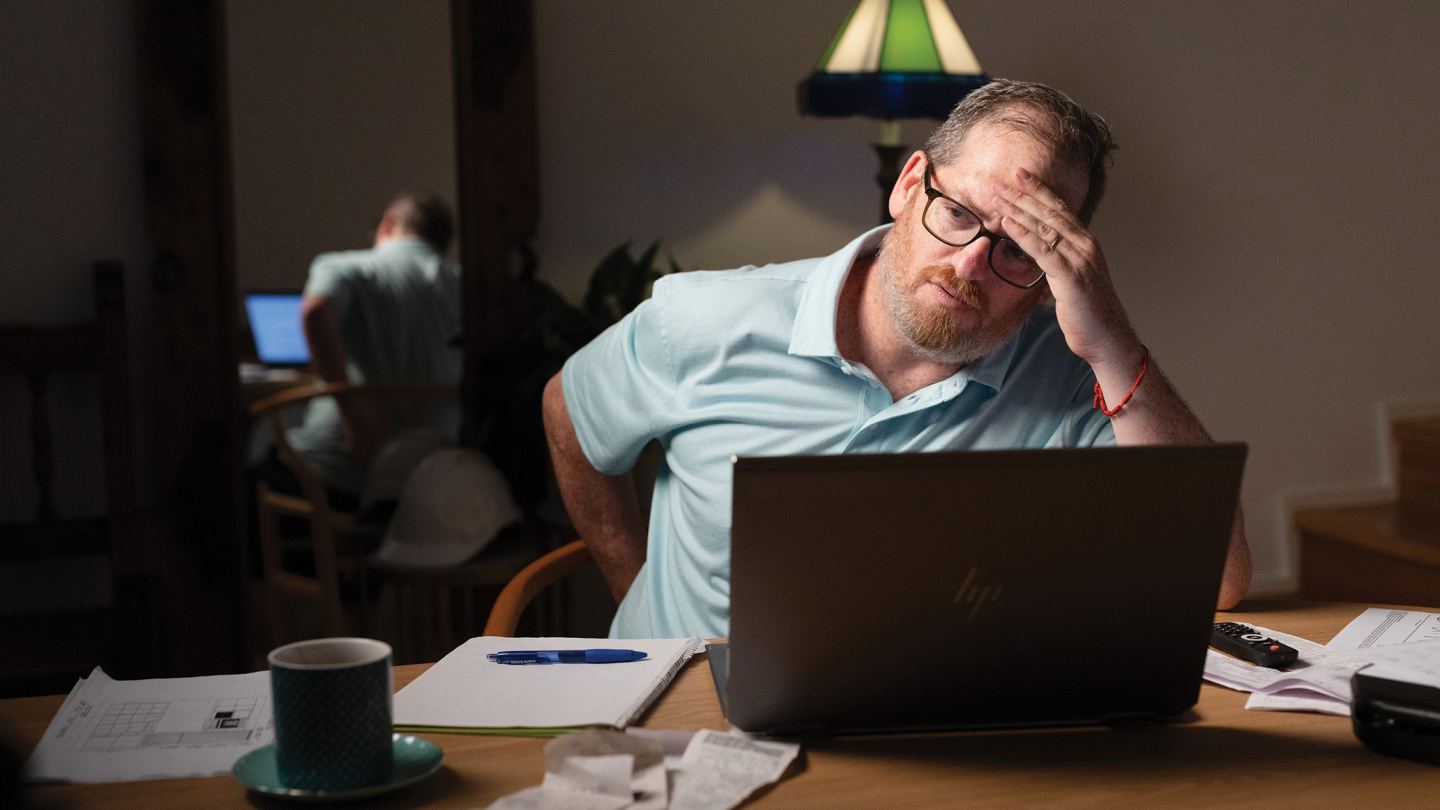
National Spinal Health Month: A Healthy Spine Supports A Healthy Mind
SYDNEY - s4story -- TODAY, the Australian Chiropractors Association (ACA) launched National Spinal Health Month (1-30 June) with the theme, "A healthy spine supports a healthy mind" to minimise the occurrence of back pain and the impact chronic back pain has on the mental health of Australians of all ages.
ACA President Dr Billy Chow said, "The coexistence of back pain and mental health conditions is associated with impaired quality of life, while the increased risk of developing chronic musculoskeletal disorders (MSDs) poses a significant financial burden on sufferers particularly as the cost-of-living bites.
"While chronic back pain can lead to developing psychological and social problems, depressive symptoms can worsen back pain and increase the disability associated with the condition, which in turn can exacerbate back pain's negative impact on the mental health of sufferers," Dr Chow said.
In launching its month-long Spinal Health Month campaign, ACA has released Australia's first clinical research study that explored the feasibility and acceptability of adding an online, psychologically informed pain management program to the usual healthcare provided by chiropractic musculoskeletal clinicians.
The clinical research study funded by ACA and conducted out of CQUniversity in conjunction with Macquarie University's MindSpot digital psychological care program was conducted by Dr David McNaughton (PhD Psychology), a chiropractor, clinician, academic, Senior Lecturer at CQUniversity and ACA member.
The study, "Adding an online psychologically informed pain management program to routine musculoskeletal care in Australia: A feasibility study," examined how the mind and body communicate when integrating therapies for psychology and physical health.
Dr McNaughton said, "The results are encouraging showing that in applying the biopsychosocial model focussed on the relationship between spinal health, chronic pain and the psychological impact pain has on a person's mental health, we can help mitigate the impact MSDs have on both physical and mental health."
Underpinning the significance of Dr McNaughton's findings, today, the ACA also released new data from an independent national public survey by global research company Pureprofile, Back Pain In Australia: The Impact on Mental, Physical & Financial Health, demonstrating a concerning increase in back pain, the mental health consequences for sufferers and how the cost-of-living is preventing patients from seeking medical treatment.
More on S For Story
The survey found 87.1% of Australian adult respondents (n1040) experienced back pain within the past 12 months with almost three quarters (69%) reporting it impacted their mental health, and nearly half (45.9%) reporting moderate to extreme impact.
In the past two years, chronic pain has surged 22% with the proportion of back pain sufferers with chronic pain (lasting more than three months) increasing from 30% in 2024 to 44.1% in 2026, while the rising cost of living continues to heavily impact households, driving widespread cost-cutting including for healthcare.
44% of back pain sufferers reported that the cost of living has prevented them from seeking treatment from a healthcare professional with GP visits down 14%; physiotherapy down 23%; and chiropractic down 19% since 2024; while the use of over-the-counter (OTC) pain medications to treat their pain has risen substantially.
85% of sufferers reported using OTC pain medication for back pain - up from 81% in 2024, while 61% reported using prescription medication. 49% have never sought a medical diagnosis for their back pain.
Of concern is that 1 in 10 back pain sufferers reported taking OTCs daily despite established clinical evidence by the University of Sydney that found paracetamol is no more effective than placebo for low back pain, and the WHO guidelines (2023) recommending medication only as an adjunct to active treatment, not as a primary or long-term intervention.
Significantly, over this past year, 52% of back pain sufferers reported that back pain added to their mental load with women hardest hit reporting higher chronic back pain and that they were more likely to experience mental health consequences, while 55% reported it added to their mental load, and 28% said they were more likely than men to avoid treatment due to cost.
6.1 million Australians are already affected by MSDs, of which 58% are of working age in peak income-earning years (25-64 years) with the annual cost to the Australian economy $55.1 billion including direct health costs, lost productivity and reduced quality of life (Deloitte).
The survey found 28.5% (almost one third) of peak working age Australians who suffer low back pain required time off work or were no longer able to work due to their back pain.
Dr McNaughton said, "With MSD cases including back pain projected to increase by 43% over the next two decades including a surge in older Australians living with MSD conditions, research that supports psychologically informed pain management in addition to clinical musculoskeletal healthcare is vital in minimising the overall burden of MSDs on Australians' health and wellbeing and the economy.
More on S For Story
Dr McNaughton's study is the first to assess the integration of clinical treatment of MSDs and online psychological pain management programs to minimise the physical and emotional impact chronic musculoskeletal pain has on the overall health and wellbeing of sufferers.
"By integrating clinical chiropractic treatments with psychologically informed pain management in a biopsychosocial model, we can help minimise the overarching impact MSD pain (including back pain) has on sufferers," Dr McNaughton said
The study recruited 26 musculoskeletal clinicians (19 chiropractors, 73%) to evaluate their attitudes and perspectives on the psychologically informed pain management program and to invite patients undergoing musculoskeletal healthcare to participate in an online pain management program.
In addition to traditional musculoskeletal treatment, the MindSpot Pain Course, a well-established, data-driven psychologically informed pain management program offering strong data validation in pain-related disability, anxiety, and depression for thousands of participants, was selected as the online mental health service.
The MindSpot Pain Course based on cognitive and behavioural principles suitable for people with a range of persistent pain conditions and pain-related difficulties comprises five online "lessons" (or modules) and associated practice exercises released over eight weeks.
Of the 60 patients with persistent musculoskeletal pain that participated, 40 (66%) completed an initial online psychological assessment; 29 (48%) went on to enrol in the MindSpot Pain Course; 22 (36%) completed the program while undergoing their usual treatments by their musculoskeletal clinician; 76% completed the MindSpot Pain Course; and 42 (70%) of the 60 patients completed the follow up questionnaire at 4 months.
Patients who completed the MindSpot Pain Course consistently reported positive experiences around course process, course experiences and found the program beneficial, acceptable and useful in helping to manage their chronic musculoskeletal pain and psychological symptoms in conjunction with chiropractic treatment.
"The results of the study are promising with all psychological and musculoskeletal pain-related outcomes of patients appearing to improve across all participants, with patients reporting that the referral by their trusted clinician was critical to their participation and completion of the MindSpot Pain Course, particularly among patients who had not been previously exposed to psychological therapy," said Dr McNaughton.
To minimise the long-term implications of MSDs including back pain, sufferers should seek drug-free, chiropractic healthcare to treat the cause, not just the symptoms to inhibit the risk of chronic pain and mitigate negative secondary implications including the impact chronic pain has on mental health and overall wellbeing.
MEDIA CENTRE: Images, data, journalist notes, vision etc: https://bit.ly/SHM26-Media ACA@insightcommunications.net.au
https://youtu.be/vmJb-9RiP6U?si=hP1dYeQt0xKL4OTB
ACA President Dr Billy Chow said, "The coexistence of back pain and mental health conditions is associated with impaired quality of life, while the increased risk of developing chronic musculoskeletal disorders (MSDs) poses a significant financial burden on sufferers particularly as the cost-of-living bites.
"While chronic back pain can lead to developing psychological and social problems, depressive symptoms can worsen back pain and increase the disability associated with the condition, which in turn can exacerbate back pain's negative impact on the mental health of sufferers," Dr Chow said.
In launching its month-long Spinal Health Month campaign, ACA has released Australia's first clinical research study that explored the feasibility and acceptability of adding an online, psychologically informed pain management program to the usual healthcare provided by chiropractic musculoskeletal clinicians.
The clinical research study funded by ACA and conducted out of CQUniversity in conjunction with Macquarie University's MindSpot digital psychological care program was conducted by Dr David McNaughton (PhD Psychology), a chiropractor, clinician, academic, Senior Lecturer at CQUniversity and ACA member.
The study, "Adding an online psychologically informed pain management program to routine musculoskeletal care in Australia: A feasibility study," examined how the mind and body communicate when integrating therapies for psychology and physical health.
Dr McNaughton said, "The results are encouraging showing that in applying the biopsychosocial model focussed on the relationship between spinal health, chronic pain and the psychological impact pain has on a person's mental health, we can help mitigate the impact MSDs have on both physical and mental health."
Underpinning the significance of Dr McNaughton's findings, today, the ACA also released new data from an independent national public survey by global research company Pureprofile, Back Pain In Australia: The Impact on Mental, Physical & Financial Health, demonstrating a concerning increase in back pain, the mental health consequences for sufferers and how the cost-of-living is preventing patients from seeking medical treatment.
More on S For Story
- Heritage at Manalapan Announces New Incentive: Included Finished Basement on Select Homesites
- Leicester UK Manufacturer Tabletop Tyrant Secures Flawless 100% Customer Satisfaction Rating Across 5,800+ Orders
- BookBuzz Features Tal Anderson in New Interview About Her Oh, Tal! Children's Book Series
- The Calida Group Announces Promotion of Joshua Nelson to President, Advancing Next Phase of National Growth
- Music & Entertainment Industry Professionals Endorse New Children's Book Spooksters: Stage Fright
The survey found 87.1% of Australian adult respondents (n1040) experienced back pain within the past 12 months with almost three quarters (69%) reporting it impacted their mental health, and nearly half (45.9%) reporting moderate to extreme impact.
In the past two years, chronic pain has surged 22% with the proportion of back pain sufferers with chronic pain (lasting more than three months) increasing from 30% in 2024 to 44.1% in 2026, while the rising cost of living continues to heavily impact households, driving widespread cost-cutting including for healthcare.
44% of back pain sufferers reported that the cost of living has prevented them from seeking treatment from a healthcare professional with GP visits down 14%; physiotherapy down 23%; and chiropractic down 19% since 2024; while the use of over-the-counter (OTC) pain medications to treat their pain has risen substantially.
85% of sufferers reported using OTC pain medication for back pain - up from 81% in 2024, while 61% reported using prescription medication. 49% have never sought a medical diagnosis for their back pain.
Of concern is that 1 in 10 back pain sufferers reported taking OTCs daily despite established clinical evidence by the University of Sydney that found paracetamol is no more effective than placebo for low back pain, and the WHO guidelines (2023) recommending medication only as an adjunct to active treatment, not as a primary or long-term intervention.
Significantly, over this past year, 52% of back pain sufferers reported that back pain added to their mental load with women hardest hit reporting higher chronic back pain and that they were more likely to experience mental health consequences, while 55% reported it added to their mental load, and 28% said they were more likely than men to avoid treatment due to cost.
6.1 million Australians are already affected by MSDs, of which 58% are of working age in peak income-earning years (25-64 years) with the annual cost to the Australian economy $55.1 billion including direct health costs, lost productivity and reduced quality of life (Deloitte).
The survey found 28.5% (almost one third) of peak working age Australians who suffer low back pain required time off work or were no longer able to work due to their back pain.
Dr McNaughton said, "With MSD cases including back pain projected to increase by 43% over the next two decades including a surge in older Australians living with MSD conditions, research that supports psychologically informed pain management in addition to clinical musculoskeletal healthcare is vital in minimising the overall burden of MSDs on Australians' health and wellbeing and the economy.
More on S For Story
- Cango Mobility x Hikvision Announce Strategic Partnership
- HomeCentris Healthcare Signs Definitive Agreement to Acquire S&K Holdings, Expanding Mid Atlantic Platform
- Nayarit Strengthens Its Position as a Global Surf Destination; Sayulita to Become Mexico's First Official Surf City
- Century Fasteners de Mexico Exhibiting at 2026 Farnborough International Airshow
- New Kickstarter Launches for Ocean Eco-Thriller Blue Planet – Red Tide
Dr McNaughton's study is the first to assess the integration of clinical treatment of MSDs and online psychological pain management programs to minimise the physical and emotional impact chronic musculoskeletal pain has on the overall health and wellbeing of sufferers.
"By integrating clinical chiropractic treatments with psychologically informed pain management in a biopsychosocial model, we can help minimise the overarching impact MSD pain (including back pain) has on sufferers," Dr McNaughton said
The study recruited 26 musculoskeletal clinicians (19 chiropractors, 73%) to evaluate their attitudes and perspectives on the psychologically informed pain management program and to invite patients undergoing musculoskeletal healthcare to participate in an online pain management program.
In addition to traditional musculoskeletal treatment, the MindSpot Pain Course, a well-established, data-driven psychologically informed pain management program offering strong data validation in pain-related disability, anxiety, and depression for thousands of participants, was selected as the online mental health service.
The MindSpot Pain Course based on cognitive and behavioural principles suitable for people with a range of persistent pain conditions and pain-related difficulties comprises five online "lessons" (or modules) and associated practice exercises released over eight weeks.
Of the 60 patients with persistent musculoskeletal pain that participated, 40 (66%) completed an initial online psychological assessment; 29 (48%) went on to enrol in the MindSpot Pain Course; 22 (36%) completed the program while undergoing their usual treatments by their musculoskeletal clinician; 76% completed the MindSpot Pain Course; and 42 (70%) of the 60 patients completed the follow up questionnaire at 4 months.
Patients who completed the MindSpot Pain Course consistently reported positive experiences around course process, course experiences and found the program beneficial, acceptable and useful in helping to manage their chronic musculoskeletal pain and psychological symptoms in conjunction with chiropractic treatment.
"The results of the study are promising with all psychological and musculoskeletal pain-related outcomes of patients appearing to improve across all participants, with patients reporting that the referral by their trusted clinician was critical to their participation and completion of the MindSpot Pain Course, particularly among patients who had not been previously exposed to psychological therapy," said Dr McNaughton.
To minimise the long-term implications of MSDs including back pain, sufferers should seek drug-free, chiropractic healthcare to treat the cause, not just the symptoms to inhibit the risk of chronic pain and mitigate negative secondary implications including the impact chronic pain has on mental health and overall wellbeing.
MEDIA CENTRE: Images, data, journalist notes, vision etc: https://bit.ly/SHM26-Media ACA@insightcommunications.net.au
https://youtu.be/vmJb-9RiP6U?si=hP1dYeQt0xKL4OTB
Source: Australian Chiropractors Association
Filed Under: Health
0 Comments
Latest on S For Story
- Prince George's County Students Now Have A Rare Opportunity In TV Film Production Career-readiness
- Bruce Goldwell Invites Readers to Create Positive Change with New Book Ripples
- City of San José Could Lose Access to Millions Under New CalEnviroScreen Tool 5.0
- Best-Selling and Award-Winning Author, Speaker, and Quadriplegic Teacher Launches her Next Book
- This Weekend Causeway Cove Country BBQ & Music Festival Returns for Fourth Year, Celebrating America's 250th Anniversary on the Water
- ADVANCE PRAISE FOR AYAHUASCA: The Mother Of All The Plants And The Voice Of Pachamama
- Webtronix Designs Web Agency Launches "LocalFind" to Revolutionize AI Local SEO for Local Businesses
- Christmas Miracle Chronicles - New movie coming up this holiday season !
- The Archive Beneath Trilogy Explores Lost Civilizations and Forgotten Worlds
- Northern California Author's Debut Novel Claims Queen Victoria Had A Secret Sister
- Healthi Life, Bangkok's Urban Longevity House, Honoured at Asia-Pacific Awards 2025
- I am AI: What Can I Do For You?
- ReviewsAlly Launches Evidence-Based Review Platform for VPNs, Business Software, and Online Services
- Zombie Logic Press Announces Upcoming Release of Vanished Roads by Thomas L. Vaultonburg
- Week 47 Final Freedom Vigil at Alligator Alcatraz: Truth Out
- Psychiatric Hospitals Fail to Warn Electroshock Patients of FDA-Cited Risks in Estimated $7 Billion Industry
- EasySpanishTax.com Launches Simple DIY Modelo 210 Filing Solution for Non-Resident Property Owners in Spain
- Finland Sets Casino Gambling Risk Limits at 2% of Income, 4 Days, 2 Game Types
- Award-Winning Author Diana Colleen Reframes Billionaire-ism, Psychedelic Healing, and the Illusion of Separateness
- The Prolific Writer, Producer "Hunter" Is Bringing New Music For Summer Release