Popular on s4story
- USA Best Book Awards Finalist What Love Leaves Behind Releases March 24 - 448
- Oberfeld Press Author Releases Typographic Series Ahead of July Publication - 229
- The World's First Fully Regenerative Economy: Securing Energy, Food, and a Clean Planet - 188
- New Book Synthesizes Six Peer-Reviewed Research Programs Into Unified Framework for Consciousness - 130
- QuickTrack by Datalex Transforms Retail Promoter Management with Claude AI and Real-Time Insights - 117
- High5VR Announces World's First Fully Immersive First-Person VR Movie - 112
- New YA Fantasy "The Whispering Key" by Auren Keyes Launches The Luminara Chronicles - 105
- Homeowner Prep Announces Strategic Language Shift: Replacing "Renters" with "Future Homeowners" to Inspire Wealth-Building Mindsets - 103
- Silence and Resistance: Memoir of a Girlhood in Haiti, is Longlisted for the BOCAS Literary Award in Nonfiction
- New Report Reveals Surprising Trends in Ohio Airport Accidents
Similar on s4story
- BestDoc Launches AI Call Center for Healthcare
- Acuvance Appoints Sandeep Sabharwal to Board of Directors, Strengthening Leadership to Support Continued Platform Growth
- Beverly.io Announces Nationwide Expansion and Poppins Payroll Partnership for Families
- All American Home Renovators: Transforming Bathrooms into Masterpieces, One Home at a Time
- This Saturday: Open House for Manalapan's Newest Single Family Home Community
- Green Office Partner Strengthens Global Operations with Mexico-Based DigitalVAAR Partnership
- Best Spiritual Healing, Meditation & Retreats in Sedona — Rise Meditation Helps You Find and Book Transformational Experiences
- Appliance EMT Named Among Jacksonville's Top 3 Appliance Repair Companies by ThreeBestRated®
- Quality Water Treatment Unveils SoftPro Elite HE Water Softener for City Water, Setting a New Standard in Residential Water Treatment
- J&J Exterminating Reminds Residents to prepare for Termite Swarm Season
Unseasonable Warmth Triggers Early Pest Season Along I-5 Corridor
S For Story/10684744
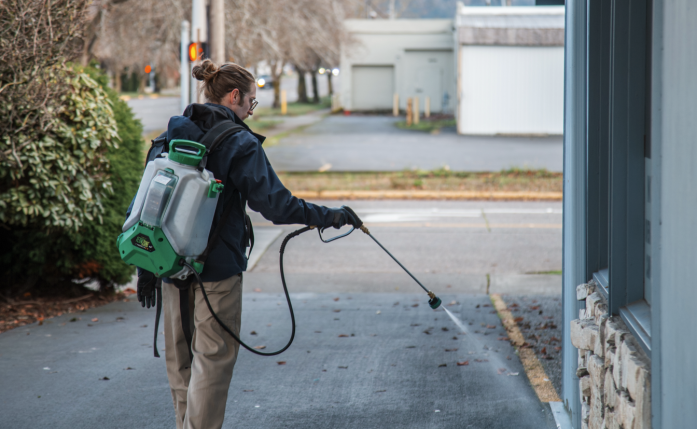
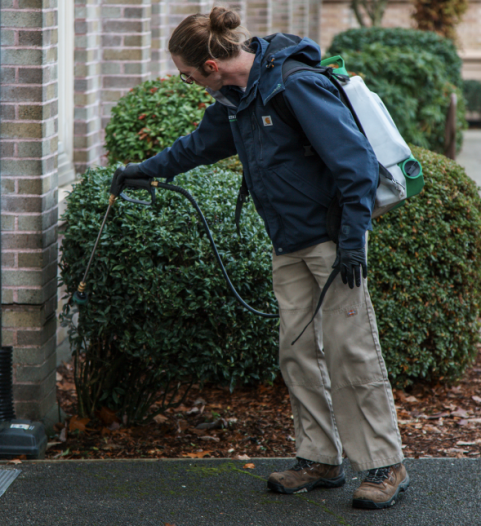

Interstate Pest Management Reports 75% Surge in Ant Calls Over First Six Weeks of 2026 vs. 2025
PORTLAND, Ore. - s4story -- PORTLAND, OR — If you've noticed ants trailing across your kitchen counter or gathering around your bathroom sink earlier than usual this year, you're not imagining things. A stretch of unseasonably warm weather across western Washington and Oregon has stirred up pest activity weeks ahead of the typical schedule, and one of the Pacific Northwest's longest-serving pest control companies says the phones have been ringing nonstop to prove it.
Interstate Pest Management, a family-owned company that has been protecting homes and businesses across the Pacific Northwest since 1963, reports a 75% increase in ant-related service calls during the first six weeks of 2026 compared to the same period last year. That spike, which the company attributes to warmer-than-normal temperatures disrupting typical winter dormancy patterns, has prompted their team to issue a community advisory: pest season isn't waiting for spring, and neither should homeowners.
What's Happening — and Why It Matters
The Pacific Northwest is known for its mild, wet winters — conditions that typically keep most ant species dormant or confined to their nests until March or April. But 2026 has opened with a different story. Extended periods of above-average temperatures throughout January and into early February have created a false spring of sorts, signaling to ant colonies that it's time to forage, expand, and seek out new food and water sources. For many homeowners, that search leads directly into their kitchens, bathrooms, and laundry rooms.
"We typically don't start seeing this volume of ant calls until mid-March at the earliest," says TJ Jackson, Director of Operations at Interstate Pest Management, who has spent more than 12 years managing pest control operations across Southwest Washington and the Portland metro area. "This year, the calls started ramping up in January. The warm days we've had are essentially waking these colonies up early, and once they're active, they don't just go back to sleep when a cold front rolls through. They've already started looking for food and establishing trails into homes."
Jackson notes that while a cold snap is expected this weekend, it won't undo the activity that's already underway. In fact, sudden temperature swings can actually drive more pests indoors, as ants seek the stable warmth and moisture that homes provide. The real concern, he explains, is what comes next: when true spring temperatures arrive and amplify colonies that got a head start weeks ago.
More on S For Story
The Pests Homeowners Should Be Watching For
The species driving the current surge is one that Pacific Northwest homeowners know all too well: the odorous house ant, sometimes called the "sugar ant." These small, dark brown ants get their name from the distinctive rotten-coconut smell they produce when crushed. They're the most common nuisance ant in Washington and Oregon, and they're drawn to moisture and sweet foods — which makes the typical PNW home an ideal target during warm, damp stretches.
But odorous house ants aren't the only species stirring early. Interstate's team is also fielding calls about moisture ants, which thrive in the damp conditions beneath homes and in water-damaged wood, and carpenter ants, the Pacific Northwest's most destructive ant species. Carpenter ants don't eat wood like termites, but they hollow it out to build their nests — and they have a particular preference for wood that has been softened by moisture, a condition that's extremely common in the region's crawl spaces, attics, and around windows and doors.
"Carpenter ants are the ones that keep us up at night, honestly," Jackson says. "A homeowner might see a few large black ants and think it's no big deal, but those visible ants are just the scouts. The colony could be inside the walls, and the damage they cause is structural. By the time you see frass — those little piles of sawdust-like debris — the colony has been established for a while."
What Homeowners and Property Managers Can Do Now
Interstate Pest Management emphasizes that the weeks ahead represent a critical window for prevention. The steps homeowners take now — before ant colonies are fully mobilized by spring warmth — can mean the difference between a minor nuisance and a full-scale infestation that requires extensive treatment.
The company recommends that homeowners and property managers assess their properties with a focus on several key areas. First, address moisture. Fix leaky faucets, clear clogged gutters, and make sure crawl spaces have adequate ventilation and drainage. Ants — especially moisture ants and carpenter ants — are drawn to damp environments, and the Pacific Northwest's wet climate means most homes have at least some moisture vulnerability.
Second, seal entry points. Inspect the foundation, window frames, door sweeps, and anywhere utility lines enter the home. Ants can exploit gaps as small as a credit card's width, and once a trail is established, hundreds will follow the same path. Caulking and weatherstripping are inexpensive, effective first lines of defense.
More on S For Story
Third, eliminate food sources. Store pantry items in airtight containers, clean up crumbs and spills immediately, and don't leave pet food sitting out overnight. Ants are relentless foragers, and even small food residues can sustain a colony's interest in your home.
Finally, and this is the one that catches many homeowners off guard: don't rely on store-bought sprays. Over-the-counter ant sprays typically kill only the ants you can see, which represent a tiny fraction of the colony. Worse, many sprays contain repellents that cause the colony to scatter and establish new nesting sites throughout the home — a process pest professionals call "budding." What started as one ant trail in the kitchen can become three or four trails in different rooms within days.
When It's Time to Call a Professional
"We never want to scare anyone into calling us," says Ryan Thorstenson, President of Interstate Pest Management and the fourth generation of his family to lead the company. "That's not who we are. But we've been doing this for over 60 years, and our experience tells us that early intervention is always less costly and less disruptive than dealing with an established infestation. If you're seeing ants consistently — multiple days in a row, or in multiple areas of your home — that's a sign the colony has moved in, and professional treatment is the most effective path forward."
Thorstenson adds that property managers and commercial building owners should be especially vigilant this season. Multi-unit residential buildings, restaurants, and properties with shared walls or common plumbing are particularly vulnerable to rapid ant spread, and early-season treatment can prevent costly disruptions during the busier months ahead.
Interstate Pest Management serves communities across Southwest Washington and the Portland, Oregon metro area, with local offices in Kelso, Vancouver, Portland, and Olympia. The company follows Integrated Pest Management protocols, and prioritizes environmentally responsible treatment methods — using targeted, organic products whenever possible before escalating to conventional treatments.
Homeowners and property managers can request a complimentary inspection by calling 888-844-4476 or visiting www.interstatepest.com.
Interstate Pest Management, a family-owned company that has been protecting homes and businesses across the Pacific Northwest since 1963, reports a 75% increase in ant-related service calls during the first six weeks of 2026 compared to the same period last year. That spike, which the company attributes to warmer-than-normal temperatures disrupting typical winter dormancy patterns, has prompted their team to issue a community advisory: pest season isn't waiting for spring, and neither should homeowners.
What's Happening — and Why It Matters
The Pacific Northwest is known for its mild, wet winters — conditions that typically keep most ant species dormant or confined to their nests until March or April. But 2026 has opened with a different story. Extended periods of above-average temperatures throughout January and into early February have created a false spring of sorts, signaling to ant colonies that it's time to forage, expand, and seek out new food and water sources. For many homeowners, that search leads directly into their kitchens, bathrooms, and laundry rooms.
"We typically don't start seeing this volume of ant calls until mid-March at the earliest," says TJ Jackson, Director of Operations at Interstate Pest Management, who has spent more than 12 years managing pest control operations across Southwest Washington and the Portland metro area. "This year, the calls started ramping up in January. The warm days we've had are essentially waking these colonies up early, and once they're active, they don't just go back to sleep when a cold front rolls through. They've already started looking for food and establishing trails into homes."
Jackson notes that while a cold snap is expected this weekend, it won't undo the activity that's already underway. In fact, sudden temperature swings can actually drive more pests indoors, as ants seek the stable warmth and moisture that homes provide. The real concern, he explains, is what comes next: when true spring temperatures arrive and amplify colonies that got a head start weeks ago.
More on S For Story
- EduCare Inc. Bridges Critical Gap in Breast Cancer Education with Spanish COPE Library Launch
- Engineering leaders from industry, academia to gather at IISE Annual Conference & Expo in Arlington, Texas
- AI-Driven Neurotechnology Expansion as FDA Path Clears and New Defense Initiative Emerges for NRx Pharmaceuticals (N A S D A Q: NRXP)
- BestDoc Launches AI Call Center for Healthcare
- Reality Fractures in New Sci-Fi Technothriller 2nd Iteration by A.P. Blanchard
The Pests Homeowners Should Be Watching For
The species driving the current surge is one that Pacific Northwest homeowners know all too well: the odorous house ant, sometimes called the "sugar ant." These small, dark brown ants get their name from the distinctive rotten-coconut smell they produce when crushed. They're the most common nuisance ant in Washington and Oregon, and they're drawn to moisture and sweet foods — which makes the typical PNW home an ideal target during warm, damp stretches.
But odorous house ants aren't the only species stirring early. Interstate's team is also fielding calls about moisture ants, which thrive in the damp conditions beneath homes and in water-damaged wood, and carpenter ants, the Pacific Northwest's most destructive ant species. Carpenter ants don't eat wood like termites, but they hollow it out to build their nests — and they have a particular preference for wood that has been softened by moisture, a condition that's extremely common in the region's crawl spaces, attics, and around windows and doors.
"Carpenter ants are the ones that keep us up at night, honestly," Jackson says. "A homeowner might see a few large black ants and think it's no big deal, but those visible ants are just the scouts. The colony could be inside the walls, and the damage they cause is structural. By the time you see frass — those little piles of sawdust-like debris — the colony has been established for a while."
What Homeowners and Property Managers Can Do Now
Interstate Pest Management emphasizes that the weeks ahead represent a critical window for prevention. The steps homeowners take now — before ant colonies are fully mobilized by spring warmth — can mean the difference between a minor nuisance and a full-scale infestation that requires extensive treatment.
The company recommends that homeowners and property managers assess their properties with a focus on several key areas. First, address moisture. Fix leaky faucets, clear clogged gutters, and make sure crawl spaces have adequate ventilation and drainage. Ants — especially moisture ants and carpenter ants — are drawn to damp environments, and the Pacific Northwest's wet climate means most homes have at least some moisture vulnerability.
Second, seal entry points. Inspect the foundation, window frames, door sweeps, and anywhere utility lines enter the home. Ants can exploit gaps as small as a credit card's width, and once a trail is established, hundreds will follow the same path. Caulking and weatherstripping are inexpensive, effective first lines of defense.
More on S For Story
- K&M Herbs Launches FREE Herbal Wellness Guide to Share the Healing Power of Caribbean Herbs
- Acuvance Appoints Sandeep Sabharwal to Board of Directors, Strengthening Leadership to Support Continued Platform Growth
- A Town Too Perfect to Be True: Eye Spied: Serenity Acres Launches April 15
- Grange Insurance Association to Rebrand as Granwest Insurance on July 1, 2026
- Dr. Rosendo Icochea, MD Recognized for Contributions to Surgical Education and Medical Research
Third, eliminate food sources. Store pantry items in airtight containers, clean up crumbs and spills immediately, and don't leave pet food sitting out overnight. Ants are relentless foragers, and even small food residues can sustain a colony's interest in your home.
Finally, and this is the one that catches many homeowners off guard: don't rely on store-bought sprays. Over-the-counter ant sprays typically kill only the ants you can see, which represent a tiny fraction of the colony. Worse, many sprays contain repellents that cause the colony to scatter and establish new nesting sites throughout the home — a process pest professionals call "budding." What started as one ant trail in the kitchen can become three or four trails in different rooms within days.
When It's Time to Call a Professional
"We never want to scare anyone into calling us," says Ryan Thorstenson, President of Interstate Pest Management and the fourth generation of his family to lead the company. "That's not who we are. But we've been doing this for over 60 years, and our experience tells us that early intervention is always less costly and less disruptive than dealing with an established infestation. If you're seeing ants consistently — multiple days in a row, or in multiple areas of your home — that's a sign the colony has moved in, and professional treatment is the most effective path forward."
Thorstenson adds that property managers and commercial building owners should be especially vigilant this season. Multi-unit residential buildings, restaurants, and properties with shared walls or common plumbing are particularly vulnerable to rapid ant spread, and early-season treatment can prevent costly disruptions during the busier months ahead.
Interstate Pest Management serves communities across Southwest Washington and the Portland, Oregon metro area, with local offices in Kelso, Vancouver, Portland, and Olympia. The company follows Integrated Pest Management protocols, and prioritizes environmentally responsible treatment methods — using targeted, organic products whenever possible before escalating to conventional treatments.
Homeowners and property managers can request a complimentary inspection by calling 888-844-4476 or visiting www.interstatepest.com.
Source: Interstate Pest Management
0 Comments
Latest on S For Story
- Chef Raphael Gamon announces Cooking with Traditional Medicine:
- New Creative Digital Magazine Feeling Creative? Reaches 5,000 Monthly Readers in First Six Mo
- InterMountain Management Announces the Re-opening of Holiday Inn Express & Suites Alexandria
- New from Regal House Publishing, Gone Before You Knew Me, a biting YA about a girl who may disappear
- Independent Author Reveals Why Most Book Promotion Fails—and What Actually Works
- CB Stuffer Expands New England Footprint with Launch at Common Man Roadside in Hooksett, NH
- Contracting Resources Group Named to the 2026 Inc. Regionals: Mid-Atlantic List
- Dividend Stock Guru Unveils High Yield Dividend Stock Research Reports
- Silly Crimes" Coloring Book Offers a Whimsical, Cozy Escape for Teens and Adults
- Charging Into the $30 Billion Heart Failure Market with Late-Stage Momentum, Breakthrough Data, & Strong Financial Backing: Cardiol Therapeutics $CRDL
- Celebrate World Creativity and Innovation Day with the Launch of the Book: World Innovators Cup
- Katina M. Davis Releases Purpose-Driven Stories Centered on Emotional Awareness
- All American Home Renovators: Transforming Bathrooms into Masterpieces, One Home at a Time
- Bold Beauty Project Celebrates Anniversary with Collaborative Exhibition at FIU's Miami Beach Urban Studios
- Pacific Emblem Company Launches "Happy 250th Birthday America" Collection and Proud Supporter of the Gary Sinise Foundation
- PPGJLI Launches Campaign to Donate 12,000 Books and Expand Literacy Access
- Mother's Day Read-Aloud: Celebrate a Mother's Heart with The Whisper of Home
- After Surviving Years of Loss and Silence, Author Ra'Mone Marquis Channels Hard-Earned Truth Into 10 Days and a Curtain Call – Deluxe Edition
- Bold Beauty Project Announces Exhibition at Palazzo Mora Venice, Italy
- Bruce Goldwell Launches Free SizziQ Recipes Built for Stable Energy and Flavor