Popular on s4story
- OneVizion Announces Next Phase of Growth as Brad Kitchens Joins Board of Directors - 149
- Ice Melts. Infrastructure Fails. What Happens to Clean Water? - 137
- Still Using Ice? FrostSkin Reinvents Hydration - 125
- Donna L. Quesinberry, President of DonnaInk Publications, Unveils New Article on Author Monetization - 125
- "They Thought It Was Impossible to Expose Them — This Is Exactly How It Was Done"
- Authoress S.E. Gregg Offers Gold-Signed Copies in 2026"
- Mend Colorado Launches Revamped Sports Performance Training Page
- New Children's Picture Book "Diwa of Mount Luntian" Focuses on Calm, Culture, and Connection for Today's Families
- Cold. Clean. Anywhere. Meet FrostSkin
- Work 365 Delivers Purpose-Built Revenue Operations for Microsoft Cloud for US Government
Similar on s4story
- Progressive Dental & The Closing Institute Partner with Zest Dental Solutions to Elevate Full-Arch Growth and Patient Outcomes
- CCHR: While Damaging Antipsychotics Win Approval, Proven Non-Drug Alternatives Remain Ignored
- Arcuri Group Announces Long‑Term Partnership with WakeMed Health & Hospitals to Deliver Situational Awareness and De‑escalation Training
- At 25, She Became One of the Youngest AAPI Female Founders to Win One of the World's Most Prestigious Design Awards for a Lamp That Makes You Smile
- Triple-Digit Growth, Strategic N A S D A Q Uplist, Plus A Scalable Healthcare Rollout Model: Stock Symbol: CDIX
- Vesica Health Receives FDA Breakthrough Device Designation for AssureMDx
- Lineus Medical's SafeBreak® Vascular Added to Alliant GPO Contract
- Ludex Partners With Certified Trading Card Association (CTCA) To Elevate Standards And Innovation In The Trading Card Industry
- Gigasoft Solves AI's Biggest Charting Code Problem: Hallucinated Property Names
- Platinum Car Audio LLC Focuses on Customer-Driven Vehicle Audio and Electronics Solutions
Coalition and CCHR Call on FDA to Review Electroshock Device and Consider a Ban
S For Story/10679620
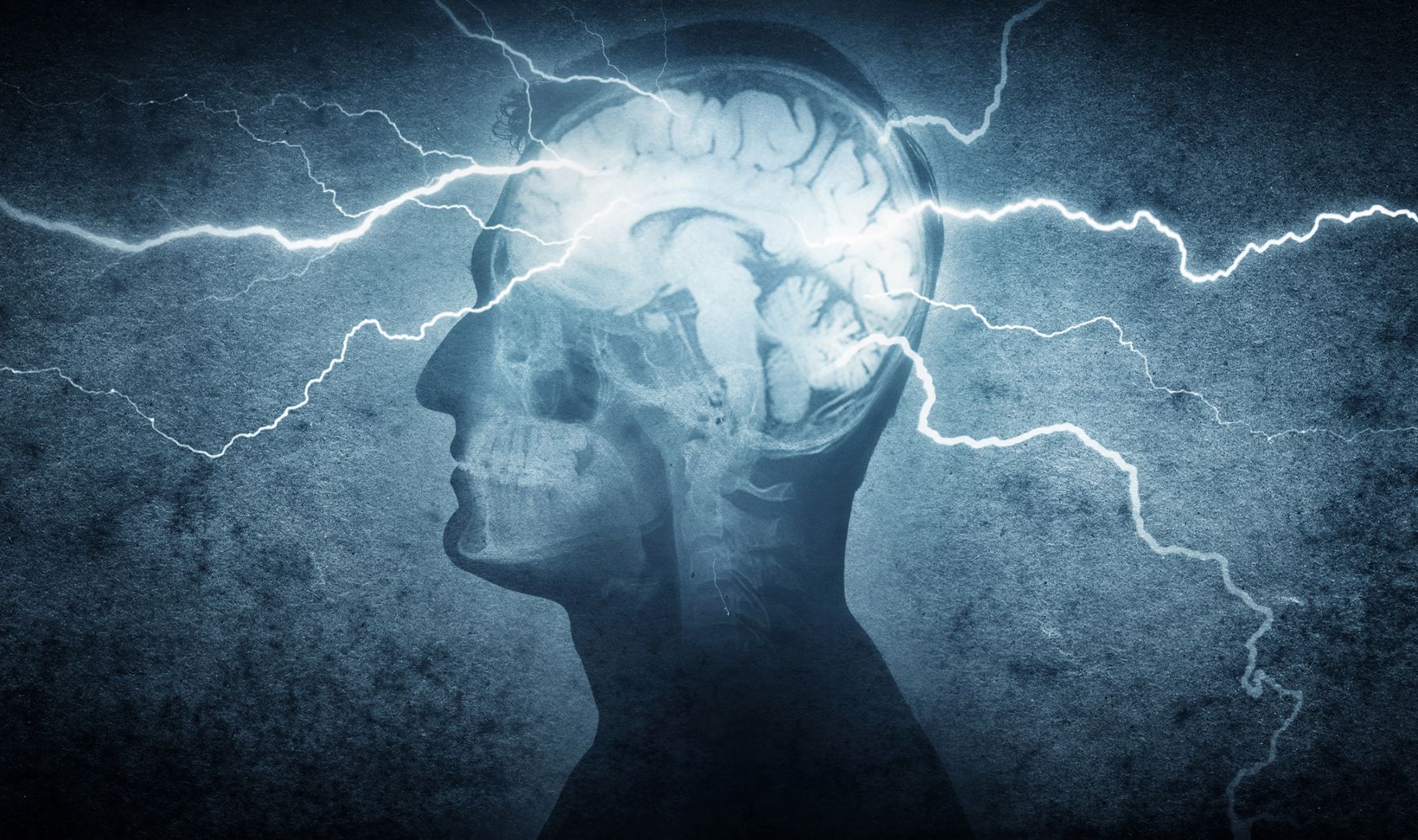
A national coalition of health and human rights organizations, attorneys, medical experts, and electroconvulsive therapy (ECT) survivors says the U.S. Food and Drug Administration's 2018 ECT rule is scientifically indefensible and places vulnerable Americans at risk.
LOS ANGELES - s4story -- By CCHR International
The newly formed Stop ECT Coalition, representing hundreds of thousands of individuals, has launched a nationwide campaign urging review of the Food and Drug Administration (FDA)'s 2018 rule on electroconvulsive therapy (ECT) devices. Citizens Commission on Human Rights International (CCHR) is among the organizations supporting the initiative, along with the Global Wellness Forum and Stand for Health Freedom.
ECT delivers up to 460 volts of electricity through the brain to induce a grand mal seizure—yet psychiatrists concede that they do not know how the procedure "works." More than 80 years after its introduction, neither safety nor efficacy has been scientifically proven.
ECT devices were "grandfathered" into FDA regulation as Class III high-risk devices in 1976, bypassing modern requirements for Premarket Approval (PMA), which mandates clinical trials proving safety and effectiveness (SE). In 2018, the FDA down-classified ECT devices to moderate risk (Class II) for certain psychiatric indications, without knowing manufacturers had refused for decades to produce the necessary studies for a PMA and had no intention of doing so.
"The incorrect classification allowed ECT devices to be used on children as young as five, pregnant women, seniors, veterans, and other vulnerable persons," the Coalition states. "Involuntary use—which still occurs in some U.S. facilities—has been condemned by the United Nations and the World Health Organization as a human-rights abuse."
The UN Committee Against Torture has explicitly stated that involuntary ECT can constitute torture. Despite the FDA claiming that involuntary ECT in the U.S. is uncommon and requires court review in every state, legal analysis shows 33 states have no explicit ECT codes, and six states have no ECT laws at all.
More on S For Story
Under 21 U.S.C. § 360f (Section 516 of the Federal Food, Drug, and Cosmetic Act), the FDA has authority to ban devices that pose an "unreasonable and substantial risk" of injury. The Coalition argues ECT clearly meets that standard, pointing to decades of documented neurological injury, memory loss, cognitive deficits, and deaths.
Although the FDA's rule applies only to a few indications in patients aged 13 and older, psychiatrists can prescribe ECT off-label for any disorder. The American Psychiatric Association (APA) even advocates ECT for children younger than 13.[1]
During its 2009–2010 review, the FDA relied on only 68 studies out of more than 1,160 relevant papers, excluding research documenting neurological injury. Of more than 3,000 public comments, 79% opposed lowering the device's risk classification.[2] The agency asserted that warning labels and informed consent would mitigate risk. Those labels include the warnings: "ECT device use may be associated with disorientation, confusion, and memory problems," and "The long-term safety and effectiveness of ECT treatment has not been demonstrated."[3]
At the FDA's 2011 public hearing, a senior academic declared that ECT would remain on the market regardless of evidence.[4] Days earlier, Dr. Matthew Rudorfer of the National Institute of Mental Health told The New York Times that manufacturers viewed required clinical trials as "too expensive."[5]
ECT's mechanism requires electrical current to disrupt brain function and trigger a generalized seizure. The FDA acknowledges other including burns, fractures, dental injury, prolonged seizures, cardiovascular complications, stroke, and death. "When the mechanism itself causes injury, disclosure cannot prevent it," said Jan Eastgate, president of CCHR International. "Consent forms document what was said—but cannot transform a destructive mechanism into a therapeutic one."
Whether Class II or Class III, the device's electrical output is identical. This raises fundamental contradictions: how can the same current be "moderate risk" for depression but "high risk" for other disorders? What biological mechanism allows electricity to differentiate between diagnoses? Experts call this regulatory fiction, not science.
Attorney Jonathan Emord wrote in his Citizen Petition: "The FDA has utterly ignored clear-cut evidence of brain damage, memory loss, and death resulting from ECT. ECT is barbaric and should be removed from the market." Supporting expert findings include Professor John Read, who concluded ECT offers no long-term benefit over placebo and can cause brain damage[6]; biomedical engineer Dr. Ken Castleman reporting that electrical current becomes heat as it passes through the brain, causing cell dysfunction or death; a 2018 California case in which a jury could reasonably conclude ECT causes brain damage, led a manufacturer to add warnings of "permanent brain damage"; and the Nebraska Supreme Court (2025) accepted testimony that ECT causes persistent or permanent memory loss and brain damage in up to 55% of recipients.[7]
More on S For Story
International bodies have long condemned ECT use on minors. In 2005, the World Health Organization stated: "There are no indications for the use of ECT on minors; this should be prohibited through legislation." U.S. bans include California (1976) and Texas (1993). Western Australia prohibits ECT under age 14, while the Australian Capital Territory bans it under age 12. Yet the FDA dismissed the relevance of these bans.
The Stop ECT Coalition and CCHR urge the new FDA Commissioner and lawmakers to act where the agency has failed. Vulnerable Americans—including children, pregnant women, seniors, veterans, and involuntary patients—deserve protection from a device whose harms are intrinsic and irremediable. Visit StopECT.com to learn more and take action. Watch CCHR's documentary Therapy or Torture: The Truth About Electroshock.
Sources:
[1] Resource Document on the FDA Final Order to Reclassify ECT Devices, APA Feb. 2019
[2] emord.com/blawg/wp-content/uploads/2016/08/1-ECT-Citizen-Petition.pdf
[3] www.federalregister.gov/documents/2018/12/26/2018-27809/neurological-devices-reclassification-of-electroconvulsive-therapy-devices-effective-date-of
[4] wayback.archive-it.org/7993/20170114044023/http://www.fda.gov/downloads/AdvisoryCommittees/CommitteesMeetingMaterials/MedicalDevices/MedicalDevicesAdvisoryCommittee/NeurologicalDevicesPanel/UCM247595.pdf, pp. 435-436
[5] Duff Wilson, "F.D.A. Is Studying the Risk of Electroshock Devices," The New York Times, 23 Jan 2011, www.nytimes.com/2011/01/24/business/24shock.html
[6] www.bmj.com/content/364/bmj.k5233; www.dailymail.co.uk/news/article-6738197/Controversial-electric-shock-treatment-severe-depression-cause-permanent-brain-damage.html
[7] www.ctbar.org/docs/default-source/publications/connecticut-lawyer/ctl-vol-30/4-march-april-20/ctl-marapr-20—treatment-without-consent-cases.pdf
The newly formed Stop ECT Coalition, representing hundreds of thousands of individuals, has launched a nationwide campaign urging review of the Food and Drug Administration (FDA)'s 2018 rule on electroconvulsive therapy (ECT) devices. Citizens Commission on Human Rights International (CCHR) is among the organizations supporting the initiative, along with the Global Wellness Forum and Stand for Health Freedom.
ECT delivers up to 460 volts of electricity through the brain to induce a grand mal seizure—yet psychiatrists concede that they do not know how the procedure "works." More than 80 years after its introduction, neither safety nor efficacy has been scientifically proven.
ECT devices were "grandfathered" into FDA regulation as Class III high-risk devices in 1976, bypassing modern requirements for Premarket Approval (PMA), which mandates clinical trials proving safety and effectiveness (SE). In 2018, the FDA down-classified ECT devices to moderate risk (Class II) for certain psychiatric indications, without knowing manufacturers had refused for decades to produce the necessary studies for a PMA and had no intention of doing so.
"The incorrect classification allowed ECT devices to be used on children as young as five, pregnant women, seniors, veterans, and other vulnerable persons," the Coalition states. "Involuntary use—which still occurs in some U.S. facilities—has been condemned by the United Nations and the World Health Organization as a human-rights abuse."
The UN Committee Against Torture has explicitly stated that involuntary ECT can constitute torture. Despite the FDA claiming that involuntary ECT in the U.S. is uncommon and requires court review in every state, legal analysis shows 33 states have no explicit ECT codes, and six states have no ECT laws at all.
More on S For Story
- Seth Neblett's Mothership Connected: Focuses on P-Funk's Women as Mothership Celebrates 50 Years
- At 25, She Became One of the Youngest AAPI Female Founders to Win One of the World's Most Prestigious Design Awards for a Lamp That Makes You Smile
- Nola Blue announces the forthcoming autobiography of Trudy Lynn
- Juego Studios Extends Full-Cycle Game Development & Outsourcing Capabilities to the UAE Market
- OurSeniors.net Magazine Marks 10 Years: Improving Senior Life with All-Inclusive Resources
Under 21 U.S.C. § 360f (Section 516 of the Federal Food, Drug, and Cosmetic Act), the FDA has authority to ban devices that pose an "unreasonable and substantial risk" of injury. The Coalition argues ECT clearly meets that standard, pointing to decades of documented neurological injury, memory loss, cognitive deficits, and deaths.
Although the FDA's rule applies only to a few indications in patients aged 13 and older, psychiatrists can prescribe ECT off-label for any disorder. The American Psychiatric Association (APA) even advocates ECT for children younger than 13.[1]
During its 2009–2010 review, the FDA relied on only 68 studies out of more than 1,160 relevant papers, excluding research documenting neurological injury. Of more than 3,000 public comments, 79% opposed lowering the device's risk classification.[2] The agency asserted that warning labels and informed consent would mitigate risk. Those labels include the warnings: "ECT device use may be associated with disorientation, confusion, and memory problems," and "The long-term safety and effectiveness of ECT treatment has not been demonstrated."[3]
At the FDA's 2011 public hearing, a senior academic declared that ECT would remain on the market regardless of evidence.[4] Days earlier, Dr. Matthew Rudorfer of the National Institute of Mental Health told The New York Times that manufacturers viewed required clinical trials as "too expensive."[5]
ECT's mechanism requires electrical current to disrupt brain function and trigger a generalized seizure. The FDA acknowledges other including burns, fractures, dental injury, prolonged seizures, cardiovascular complications, stroke, and death. "When the mechanism itself causes injury, disclosure cannot prevent it," said Jan Eastgate, president of CCHR International. "Consent forms document what was said—but cannot transform a destructive mechanism into a therapeutic one."
Whether Class II or Class III, the device's electrical output is identical. This raises fundamental contradictions: how can the same current be "moderate risk" for depression but "high risk" for other disorders? What biological mechanism allows electricity to differentiate between diagnoses? Experts call this regulatory fiction, not science.
Attorney Jonathan Emord wrote in his Citizen Petition: "The FDA has utterly ignored clear-cut evidence of brain damage, memory loss, and death resulting from ECT. ECT is barbaric and should be removed from the market." Supporting expert findings include Professor John Read, who concluded ECT offers no long-term benefit over placebo and can cause brain damage[6]; biomedical engineer Dr. Ken Castleman reporting that electrical current becomes heat as it passes through the brain, causing cell dysfunction or death; a 2018 California case in which a jury could reasonably conclude ECT causes brain damage, led a manufacturer to add warnings of "permanent brain damage"; and the Nebraska Supreme Court (2025) accepted testimony that ECT causes persistent or permanent memory loss and brain damage in up to 55% of recipients.[7]
More on S For Story
- War, Peace, and Everything That Destroys You: The Novels of Leo Tolstoy, Reimagined
- VENUS Goes Live on CATEX Exchange As UK Financial Ltd Activates The Premier Division Of The Maya Meme's League
- NEW BOOK: Beyond Capitalism and Communism: The Case for Egalitarian Deliberative Democracy
- Digi 995: The Final Purge Ignites the Third Chapter of the Expanding Digiverse
- Atlanta Tech Founder Seeks Clarity on Intellectual Property and Innovation Policy
International bodies have long condemned ECT use on minors. In 2005, the World Health Organization stated: "There are no indications for the use of ECT on minors; this should be prohibited through legislation." U.S. bans include California (1976) and Texas (1993). Western Australia prohibits ECT under age 14, while the Australian Capital Territory bans it under age 12. Yet the FDA dismissed the relevance of these bans.
The Stop ECT Coalition and CCHR urge the new FDA Commissioner and lawmakers to act where the agency has failed. Vulnerable Americans—including children, pregnant women, seniors, veterans, and involuntary patients—deserve protection from a device whose harms are intrinsic and irremediable. Visit StopECT.com to learn more and take action. Watch CCHR's documentary Therapy or Torture: The Truth About Electroshock.
Sources:
[1] Resource Document on the FDA Final Order to Reclassify ECT Devices, APA Feb. 2019
[2] emord.com/blawg/wp-content/uploads/2016/08/1-ECT-Citizen-Petition.pdf
[3] www.federalregister.gov/documents/2018/12/26/2018-27809/neurological-devices-reclassification-of-electroconvulsive-therapy-devices-effective-date-of
[4] wayback.archive-it.org/7993/20170114044023/http://www.fda.gov/downloads/AdvisoryCommittees/CommitteesMeetingMaterials/MedicalDevices/MedicalDevicesAdvisoryCommittee/NeurologicalDevicesPanel/UCM247595.pdf, pp. 435-436
[5] Duff Wilson, "F.D.A. Is Studying the Risk of Electroshock Devices," The New York Times, 23 Jan 2011, www.nytimes.com/2011/01/24/business/24shock.html
[6] www.bmj.com/content/364/bmj.k5233; www.dailymail.co.uk/news/article-6738197/Controversial-electric-shock-treatment-severe-depression-cause-permanent-brain-damage.html
[7] www.ctbar.org/docs/default-source/publications/connecticut-lawyer/ctl-vol-30/4-march-april-20/ctl-marapr-20—treatment-without-consent-cases.pdf
Source: Citizens Commission on Human Rights International
0 Comments
Latest on S For Story
- Lineus Medical's SafeBreak® Vascular Added to Alliant GPO Contract
- Gyanendra Rana Releases New Self-Help Book - A Monkey Became a Monk
- Cancun All Inclusive is ready for Spring Break 2026 with new Resorts, Exclusive Deals, activities and more!
- 66% of US Bankruptcies Are Medical — So Americans Are Building Businesses That Cover Healthcare Emergencies
- DonnaInk Launches 2026 Author Spotlight Initiative to Elevate Independent Voices
- Husband and Wife Release Children's Book and Donate Proceeds to Non-Profit
- Ludex Partners With Certified Trading Card Association (CTCA) To Elevate Standards And Innovation In The Trading Card Industry
- Digi 995: The War of Eldoria Expands the Sci-Fi Saga in Explosive Book Two
- Dante King Releases The Psychopathy of Whiteness, A Groundbreaking Examination of Racism
- Best Book Publishing Company for Aspiring Authors
- Dr. Nadene Rose Releases Moving Memoir on Faith, Grief, and Divine Presence
- Gigasoft Solves AI's Biggest Charting Code Problem: Hallucinated Property Names
- Akron Authors Convention Announces Open Call
- ASTI Ignites the Space Economy: Powering SpaceX's NOVI AI Pathfinder with Breakthrough Solar Technology: Ascent Solar Technologies (N A S D A Q: ASTI)
- Hiring has reached a "Digital Stalemate"—Now, an ex-Google recruiter is giving candidates the answers
- 2026 Pre-Season Testing Confirms a Two-Tier Grid as Energy Management Defines Formula 1's New Era
- The Tree That Grew Slowly - Now Available!
- Platinum Car Audio LLC Focuses on Customer-Driven Vehicle Audio and Electronics Solutions
- Postmortem Pathology Expands Independent Autopsy Services in Kansas City
- Postmortem Pathology Expands Independent Autopsy Services Across Colorado