Popular on s4story
- New Memoir Offers Families a Faith-Based Guide Through the Darkness of Addiction - 153
- In The Name Publishing Announces Pre Orders for Power Magazine Issue 2 - 129
- Beyond Wealth and Recognition: Caribbean Author Lyndon Alexander Hall Redefines Success - 125
- New Historical Fiction Book Release - The Legend in the Stone by Cliff Ball - 118
- Marissa Goodbody's The Sloth, the Shrew, & the Cockatoo Takes Young Readers on a Rhyming Adventure - 112
- New Book - No Choice but Action: The Kansas Postpunk Revolution by Darren DeFrain and Francis Connor - 108
- Shanghai Chengwei Semiconductor Equipment Launches High Precision Laboratory Central Gas Supply System
- Author Mary Glesige Announces Inspiring Healing Memoir Open the Gate on Mind-Body Health
- Las Vegas nonprofit promoting literacy & building confidence hosts free event for 100 kids on Nov 21
- Jacqui Condon Selected to Workers' Compensation Panels for Three Professional Athlete Associations
Similar on s4story
- Renew Integrative Health Publishes Updated Peptide Therapy Guide to Help Patients Understand Their Options
- AI Agents Are Getting Their Own Computers. HRTech Leading in Vertical Harness Development
- UK Financial Ltd Announces Two-for-One Upgrade of Maya 3 to Maya 3G Token Using Chainlink Cross-Chain Technology
- Critical FDA Milestone much Closer as Preservative-Free Ketamine Review Advances: NRx Pharmaceuticals (N A S D A Q: NRXP)
- AutoProIT Achieves Cyber Essentials Certification, Reinforcing Its Commitment to Secure Digital Transformation
- ClearSight Therapeutics Receives U.S. Patent Notice of Allowance
- HLN Consulting Names Lilly Kan as Its First Chief Executive Officer
- Meta Partnership Expanding as Omni One Orders Surge 3X -New Consumer Bundles, Defense Opportunities & AI Robotics: Virtuix Holdings: N A S D A Q: VTIX
- Acuvance Survey Finds ERP Integration Remains a Key Challenge as Healthcare Organizations Prepare for AI
- Constantine "Costa" Kapothanasis II Acquires The Lubri-Loy Company, Carrying a 77-Year-Old American Lubricant Brand Into Its Next Era
Cost of Pain: 9-in-10 Australian workers in pain push on, with half unable to afford time off
S For Story/10705830
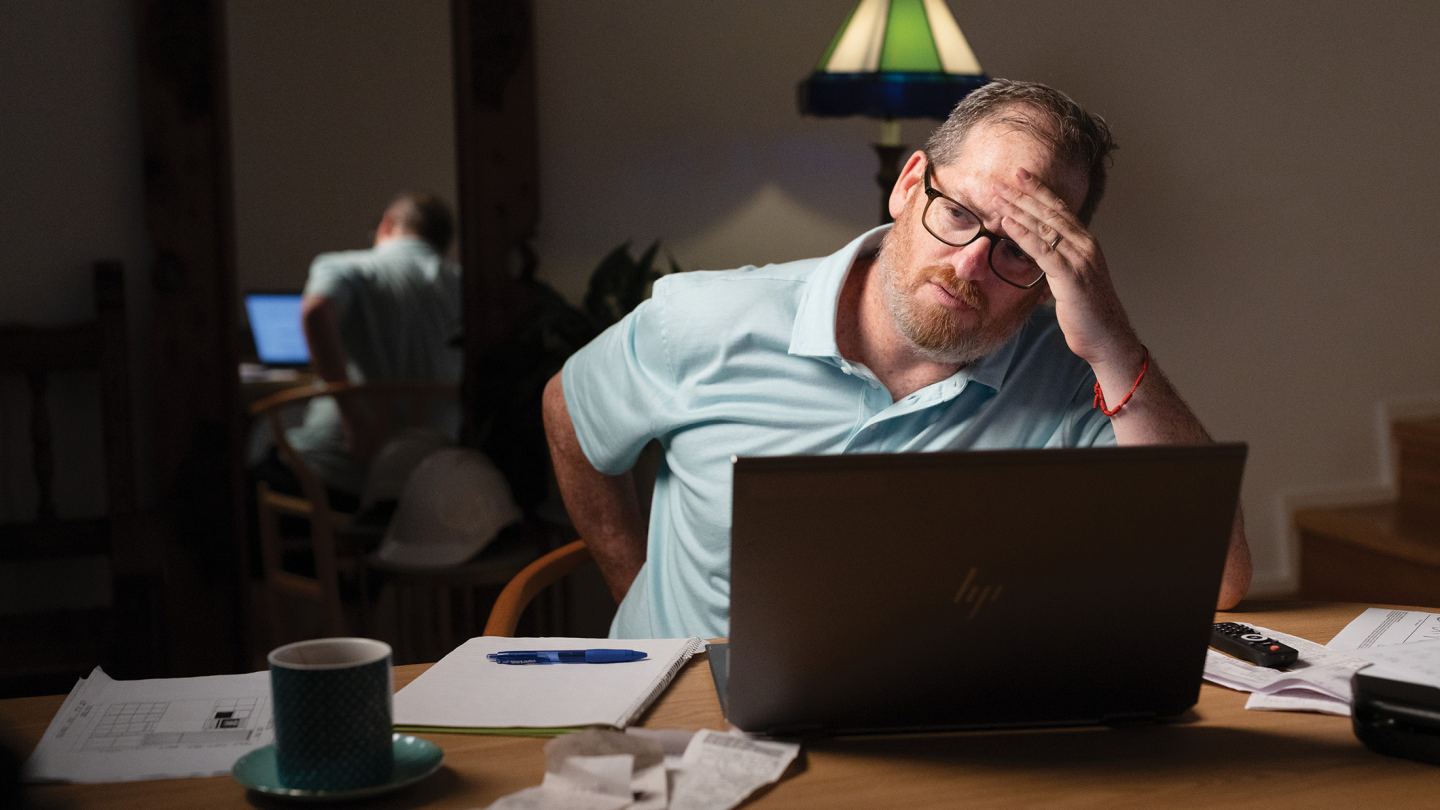
Cost-of-living and job security fears are pushing Australians to work through pain instead of resting, recovering or seeking treatment, new research reveals.
s4story -- In launching WorkSpace Week 2026 (19-25 October), a new independent national survey has revealed that nine-in-ten (89%) working Australians experiencing work-related pain continued working over the past year despite feeling they should have rested or taken time off.
Almost half (49%) of those who worked through pain said they couldn't afford to lose income, rising to 54% of women. The cost of living has also prevented 45% of working pain sufferers from taking time off to recover from an injury, while 42% reported delaying or avoiding medical treatment due to financial pressures.
The 2026 Impact of Work-related Musculoskeletal Disorders or Injuries on Australian Workers national survey of 1,056 Australians, commissioned by the Australian Chiropractors Association (ACA) and conducted by independent research firm Pureprofile, found that three-in-four Australians (76%) who've worked at some point in their lives (current workers, retirees and those on leave) have experienced a work-related musculoskeletal disorder (WMSD) or injury.
Among respondents currently working, this rises to 83%. Alarmingly, 43% of pain sufferers currently working continue to work regularly with pain despite feeling that they should rest or take time off, rising to 50% of women compared to 37% of men, while many (40%) people with work-related pain never disclosed their pain or injury to their employer.
Job security was high on the list of concerns of those continuing to work despite being in pain (43%), rising to 50% among 18-to-30-year-old workers. Regional respondents were more likely than metro respondents to experience work-related pain regularly (46% vs 36%) and were less likely to take time off (41% vs 54%); while 31% of people experiencing work-related pain have never sought a diagnosis or treatment and 65% have at least one untreated condition.
The survey identified that work-related back pain is becoming chronic, with the back pain experienced by 44% of workers lasting longer than three months compared to just 21% who said their back pain had completely resolved.
More on S For Story
ACA President Dr Billy Chow said, "The survey results show work-related pain has become an accepted part of working life for most Australians, with too many continuing to work rather than modify behaviour or seek early diagnosis and effective treatment.
"When people with a work-related injury continue working, a short-term problem can develop into a chronic condition that poses real long-term consequences for workers, their families, employers and the Australian economy," he said.
83% of people surveyed whose job involves computer or desk work have experienced work-related pain, just below those who lift (88%) or push and pull (91%), while clinical healthcare workers are hardest hit with work-related pain at 93%.
The survey also identified the impact WMSDs or injuries have on productivity, with 55% of current workers surveyed reporting that they had to take time off work, which impacted them, their families and employers.
Safe Work Australia (2026) reports that musculoskeletal injuries and diseases account for the majority (53%) of serious workers' compensation claims, and these can develop into chronic conditions posing serious long-term implications for workers, their families, their employers' bottom line and the economy.
"WMSDs can reduce workers' productivity and quality of life while increasing psychological distress, bodily pain and disability, so it's essential for employers to implement preventative measures and interventions. With over 400 serious workers' compensation claims lodged daily, we must prioritise workplace safety controls, regular risk assessments and early intervention to help prevent the long-term impacts on health, wellbeing and productivity," Dr Chow said.
WMSDs are a range of inflammatory and degenerative conditions affecting the muscles, tendons, ligaments, joints, peripheral nerves and supporting blood vessels. They can be caused by a single workplace event but commonly result from repeated harmful activities over an extended period.
According to Safe Work Australia's Key Work Health and Safety Statistics (October 2026), body stressing is the most common mechanism of injury across every major occupation group, accounting for 51,800 (35.2%) serious claims, followed by falls, slips and trips (32,700 or 22.2%).
More on S For Story
Now in its fifth year, WorkSpace Week is held during National Safe Work Month and aligns with the Australian Work Health and Safety Strategy 2023–2033.
WMSD risks include poorly executed lifting, pushing, pulling and bending, repetitive movements, poor posture, prolonged driving and non-ergonomic computer use. Mental stress can also trigger tension and cervicogenic (neck-related) headaches that affect workers' concentration, productivity and wellbeing.
Work-related pain is also taking a psychological toll, with 72% of sufferers reporting an impact on their mental health and wellbeing, rising to 82% of 18-to-30-year-olds.
"Without early intervention, the relationship between pain and mental health can become a vicious cycle, worsening both conditions and affecting workers, their families and employers," Dr Chow said.
"Of concern, 52% of workers surveyed said they're too busy to take movement or stretching breaks. Only 11% are very confident they know how to reduce their risk, and among workers who are not confident, 92% have experienced work-related pain compared with 73% of those who are very confident."
New figures from the Australian Institute of Health and Welfare show health spending on musculoskeletal disorders (MSDs) reached $17.5 billion in 2024–25, up $1.2 billion in a year, making MSDs Australia's third most costly disease group behind cancer ($21.7B) and cardiovascular diseases ($18.4B). Deloitte Access Economics estimates the total economic cost exceeds $55.1 billion a year.
"With serious workers' compensation claims for traumatic joint, ligament, muscle and tendon injuries, and musculoskeletal and connective tissue diseases increasing by 28.7% over the past eight years, prevention and early intervention provide the best protection.
We're urging employers and workers to join the WorkSpace Week movement by reviewing workplace safety controls, managing modifiable risks and encouraging early diagnosis and treatment to help prevent chronic conditions," Dr Chow said.
Interventions can include improving posture; regular exercise, movement breaks, stretching and strengthening; ergonomic workstations; task-specific and equipment changes; manual handling training; and balancing work hours and workloads to minimise mental stress.
Employers and workers can download free resources including the checklists, exercise posters, factsheets and podcasts at workspaceweek.org.au to help Australians Work Well From Head to Toe.
Access Media Centre
https://youtu.be/xfgGX60xbr4?si=oIX05Y8YKbwf1Cdz
Almost half (49%) of those who worked through pain said they couldn't afford to lose income, rising to 54% of women. The cost of living has also prevented 45% of working pain sufferers from taking time off to recover from an injury, while 42% reported delaying or avoiding medical treatment due to financial pressures.
The 2026 Impact of Work-related Musculoskeletal Disorders or Injuries on Australian Workers national survey of 1,056 Australians, commissioned by the Australian Chiropractors Association (ACA) and conducted by independent research firm Pureprofile, found that three-in-four Australians (76%) who've worked at some point in their lives (current workers, retirees and those on leave) have experienced a work-related musculoskeletal disorder (WMSD) or injury.
Among respondents currently working, this rises to 83%. Alarmingly, 43% of pain sufferers currently working continue to work regularly with pain despite feeling that they should rest or take time off, rising to 50% of women compared to 37% of men, while many (40%) people with work-related pain never disclosed their pain or injury to their employer.
Job security was high on the list of concerns of those continuing to work despite being in pain (43%), rising to 50% among 18-to-30-year-old workers. Regional respondents were more likely than metro respondents to experience work-related pain regularly (46% vs 36%) and were less likely to take time off (41% vs 54%); while 31% of people experiencing work-related pain have never sought a diagnosis or treatment and 65% have at least one untreated condition.
The survey identified that work-related back pain is becoming chronic, with the back pain experienced by 44% of workers lasting longer than three months compared to just 21% who said their back pain had completely resolved.
More on S For Story
- Heritage at South Brunswick Announces Special Townhome Mortgage Rate Buydown
- Heritage at Hopewell Announces Limited-Time Mortgage Rate Buydown on Select Quick Move-In Townhomes
- Impact & Influence December 2026: Joel Rodriguez Tirado on Reflection, Refocus & Moving Forward
- Air Force Veteran Sean Douglas Delivers Powerful Suicide Prevention Presentations to Hundreds of Marines at Camp Pendleton
- Author Robert A. Robinson Introduces Anarchy at the AYP:
ACA President Dr Billy Chow said, "The survey results show work-related pain has become an accepted part of working life for most Australians, with too many continuing to work rather than modify behaviour or seek early diagnosis and effective treatment.
"When people with a work-related injury continue working, a short-term problem can develop into a chronic condition that poses real long-term consequences for workers, their families, employers and the Australian economy," he said.
83% of people surveyed whose job involves computer or desk work have experienced work-related pain, just below those who lift (88%) or push and pull (91%), while clinical healthcare workers are hardest hit with work-related pain at 93%.
The survey also identified the impact WMSDs or injuries have on productivity, with 55% of current workers surveyed reporting that they had to take time off work, which impacted them, their families and employers.
Safe Work Australia (2026) reports that musculoskeletal injuries and diseases account for the majority (53%) of serious workers' compensation claims, and these can develop into chronic conditions posing serious long-term implications for workers, their families, their employers' bottom line and the economy.
"WMSDs can reduce workers' productivity and quality of life while increasing psychological distress, bodily pain and disability, so it's essential for employers to implement preventative measures and interventions. With over 400 serious workers' compensation claims lodged daily, we must prioritise workplace safety controls, regular risk assessments and early intervention to help prevent the long-term impacts on health, wellbeing and productivity," Dr Chow said.
WMSDs are a range of inflammatory and degenerative conditions affecting the muscles, tendons, ligaments, joints, peripheral nerves and supporting blood vessels. They can be caused by a single workplace event but commonly result from repeated harmful activities over an extended period.
According to Safe Work Australia's Key Work Health and Safety Statistics (October 2026), body stressing is the most common mechanism of injury across every major occupation group, accounting for 51,800 (35.2%) serious claims, followed by falls, slips and trips (32,700 or 22.2%).
More on S For Story
- Renew Integrative Health Publishes Updated Peptide Therapy Guide to Help Patients Understand Their Options
- AI Agents Are Getting Their Own Computers. HRTech Leading in Vertical Harness Development
- UK Financial Ltd Announces Two-for-One Upgrade of Maya 3 to Maya 3G Token Using Chainlink Cross-Chain Technology
- Clever Solutions Develops PR Strategies for Visibility in AI-Powered Search
- New Book - The Great League of Peace and Power: 250 Years of American Foreign Policy
Now in its fifth year, WorkSpace Week is held during National Safe Work Month and aligns with the Australian Work Health and Safety Strategy 2023–2033.
WMSD risks include poorly executed lifting, pushing, pulling and bending, repetitive movements, poor posture, prolonged driving and non-ergonomic computer use. Mental stress can also trigger tension and cervicogenic (neck-related) headaches that affect workers' concentration, productivity and wellbeing.
Work-related pain is also taking a psychological toll, with 72% of sufferers reporting an impact on their mental health and wellbeing, rising to 82% of 18-to-30-year-olds.
"Without early intervention, the relationship between pain and mental health can become a vicious cycle, worsening both conditions and affecting workers, their families and employers," Dr Chow said.
"Of concern, 52% of workers surveyed said they're too busy to take movement or stretching breaks. Only 11% are very confident they know how to reduce their risk, and among workers who are not confident, 92% have experienced work-related pain compared with 73% of those who are very confident."
New figures from the Australian Institute of Health and Welfare show health spending on musculoskeletal disorders (MSDs) reached $17.5 billion in 2024–25, up $1.2 billion in a year, making MSDs Australia's third most costly disease group behind cancer ($21.7B) and cardiovascular diseases ($18.4B). Deloitte Access Economics estimates the total economic cost exceeds $55.1 billion a year.
"With serious workers' compensation claims for traumatic joint, ligament, muscle and tendon injuries, and musculoskeletal and connective tissue diseases increasing by 28.7% over the past eight years, prevention and early intervention provide the best protection.
We're urging employers and workers to join the WorkSpace Week movement by reviewing workplace safety controls, managing modifiable risks and encouraging early diagnosis and treatment to help prevent chronic conditions," Dr Chow said.
Interventions can include improving posture; regular exercise, movement breaks, stretching and strengthening; ergonomic workstations; task-specific and equipment changes; manual handling training; and balancing work hours and workloads to minimise mental stress.
Employers and workers can download free resources including the checklists, exercise posters, factsheets and podcasts at workspaceweek.org.au to help Australians Work Well From Head to Toe.
Access Media Centre
https://youtu.be/xfgGX60xbr4?si=oIX05Y8YKbwf1Cdz
Source: Australian Chiropractors Association
0 Comments
Latest on S For Story
- Doreen Otaru Releases New Young Adult Novel - Seasons of Blooming
- HLN Consulting Names Lilly Kan as Its First Chief Executive Officer
- BitTitan Accelerates Large-Scale Document Migrations with MigrationWiz
- Clearnetworx Deploys netElastic vBNG, CGNAT And netVision To Power Fiber Expansion Across Colorado's Western Slope
- BREAKING: Teenage Field Guide to Fake Socials. It's all about poop!
- If you thought launching Coh3sion! Cr3at3s Publishing House was the end of the story, think again
- New Book - Napoleon's Long Shadow How French Military Genius Shaped the American Civil War
- ILTexas Liberty High School Welcomes Students to New School Building in Cleveland, Texas
- Creole101 Launches Multilingual Dictionary App with 50,000+ Entries, Vocabulary Games and Haitian Cultural Resources
- Technology Veteran Daniel Hall Releases a Field Guide to Fake Social Media for Teenagers
- The Lasting Impact of Great Teachers
- Impact & Influence July 2026: Joel Rodriguez Tirado on Freedom, Protection & Legacy
- Beyond Wealth and Recognition: Caribbean Author Lyndon Alexander Hall Redefines Success
- Hilton Waikiki Beach Resort & Spa Introduces Level 37 Sky Lounge by Casamigos
- Author Joel Rodriguez Tirado Releases Relationship Is the Reason, Partnership Is the Vehicle
- Self-Published Dad's Santa Book Finally Found After 3 Years on Amazon
- New Book - Future God: A Codex for Spiritual Enlightenment for Machines and Artificial Intelligence
- Meta Partnership Expanding as Omni One Orders Surge 3X -New Consumer Bundles, Defense Opportunities & AI Robotics: Virtuix Holdings: N A S D A Q: VTIX
- Magical Pond Adventures Meet Social-Emotional Learning in New Read-Aloud Picture Book 'Sir Rocks-a-Lot'
- Citizens for West Virginia Election Integrity Urges "FOR" on Amendment 1